
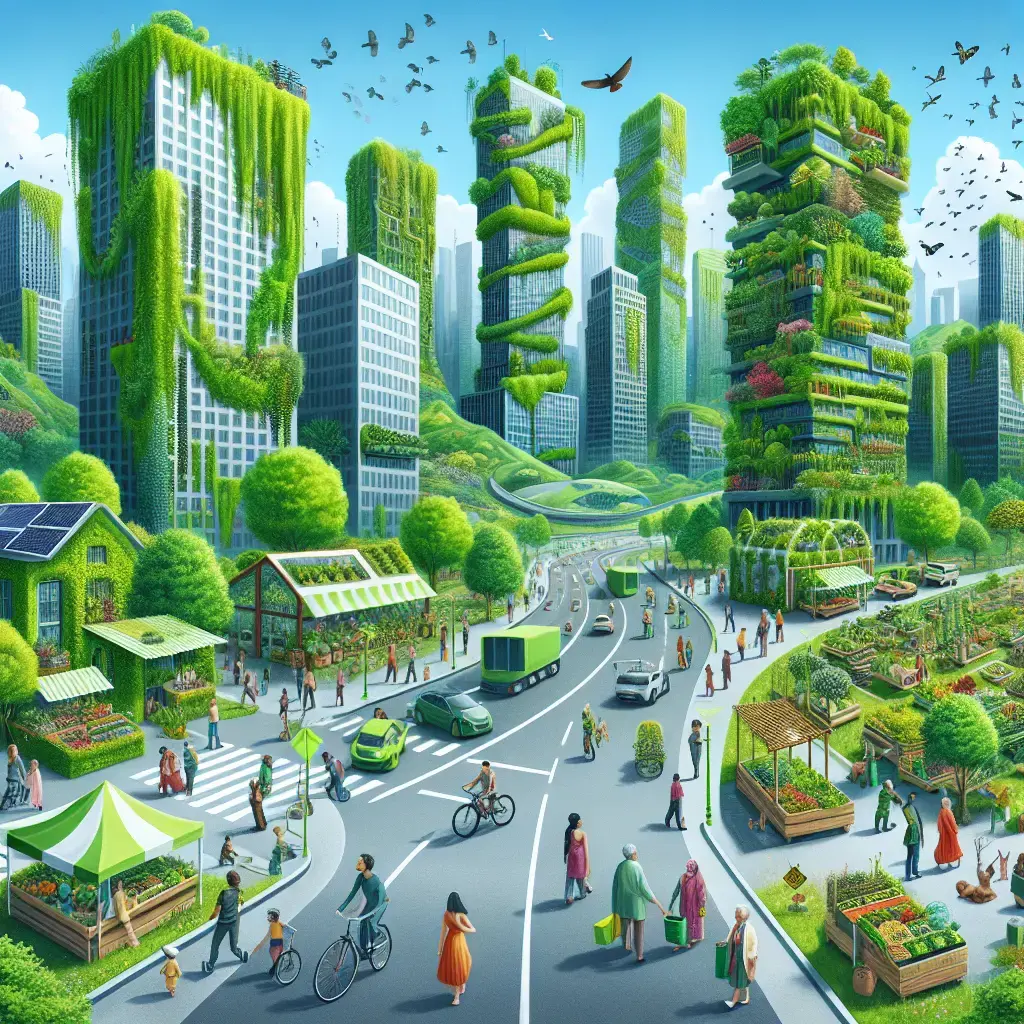
The rise of vertical farming offers a sustainable solution to the challenges faced by urban agriculture in our rapidly urbanizing world.
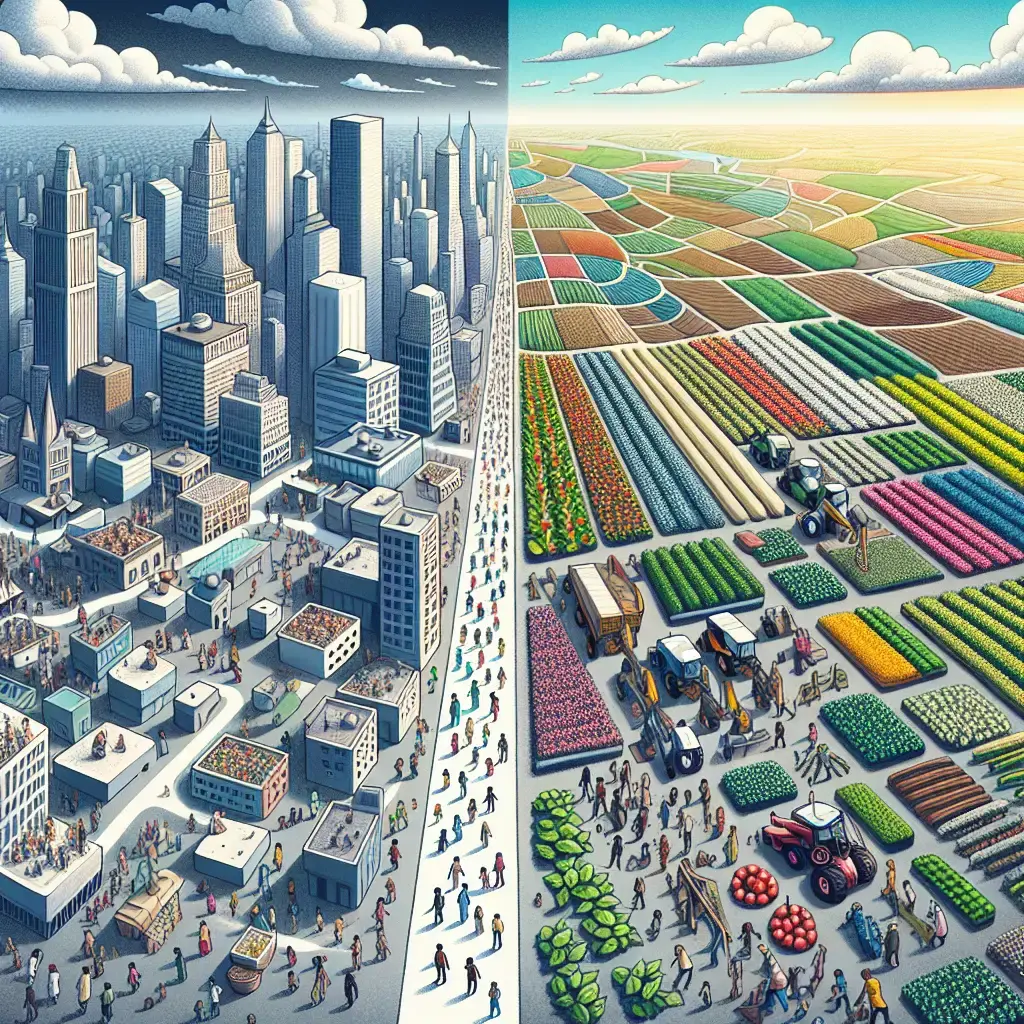
In the mid-20th century, our planet was home to approximately 2.6 billion people. Urban centers housed about 800 million of these individuals, while rural regions were home to 1.8 billion. Fast forward to 2050, and projections estimate that the global population will soar to 9.2 billion, with a staggering 6.3 billion living in urban areas. This rapid urbanization brings forth significant challenges in food production and supply chains, necessitating innovative agricultural solutions like vertical farming.
What is Vertical Farming?
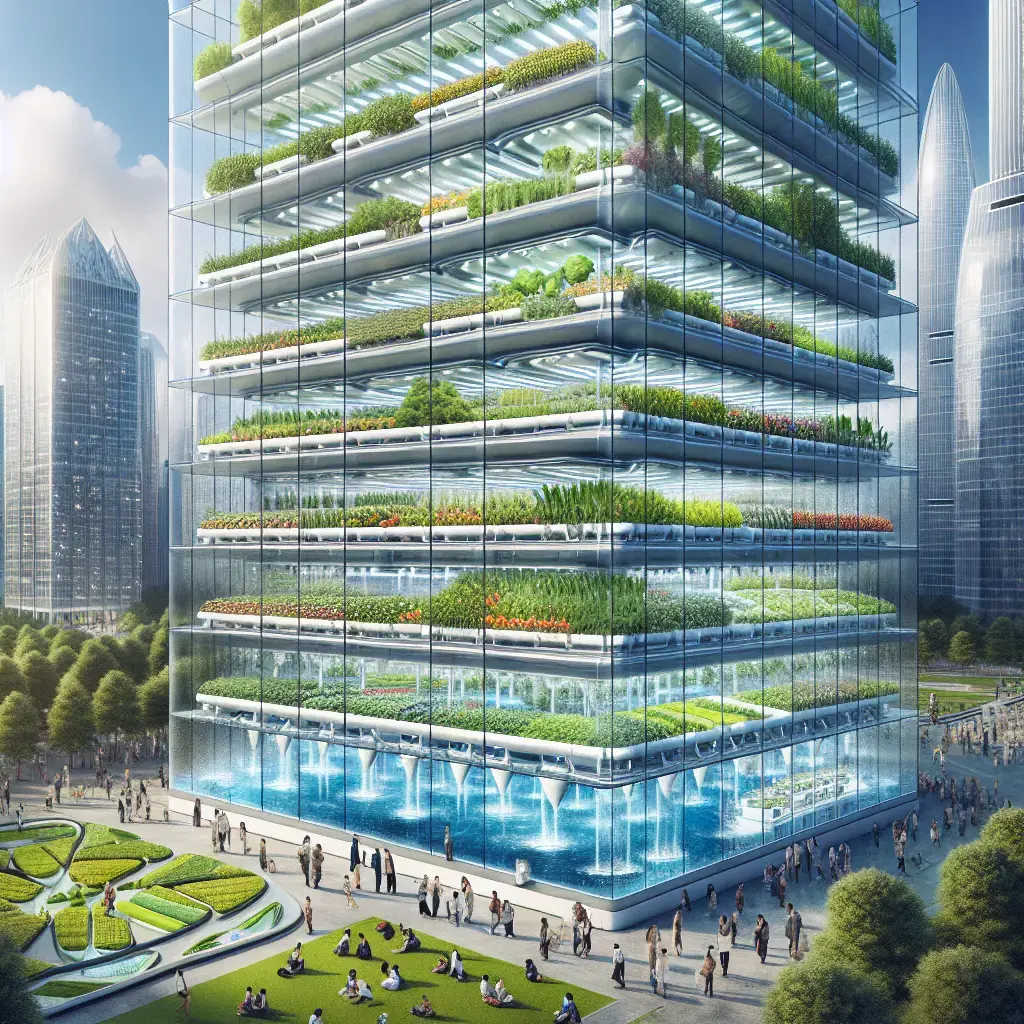
Vertical farming is an innovative method of growing crops in vertically stacked layers, often incorporating controlled-environment agriculture (CEA) technology. This approach can be implemented in skyscrapers, warehouses, or shipping containers, allowing urban areas to produce fresh food locally. By utilizing hydroponics, aquaponics, and aeroponics, vertical farms can efficiently use space and resources.
Advantages of Vertical Farming in Urban Areas
- Space Efficiency: Urban land is often limited and expensive. Vertical farming maximizes space by using structures that extend upward rather than outward.
- Resource Conservation: These farms use significantly less water than traditional agriculture—up to 95% less—by recycling water through closed-loop systems.
- Reduced Transportation Emissions: Producing food within city limits drastically cuts down the carbon footprint associated with transporting food from rural farms to urban centers.
- Year-Round Production: Controlled environments allow for continuous crop production irrespective of external weather conditions, ensuring a consistent food supply.
- Pesticide-Free Produce: The controlled environments used in vertical farms often eliminate the need for pesticides, leading to healthier, chemical-free food.
Challenges Facing Vertical Farming
While the benefits are substantial, vertical farming is not without its challenges:
- High Initial Investment: The technology and infrastructure required for vertical farms can be expensive, posing a barrier to entry for many potential farmers.
- Energy Consumption: Maintaining controlled environments requires significant energy, particularly for lighting and climate control.
- Technical Expertise: Operating a vertical farm demands knowledge in horticulture and technology integration, which may require specialized training.
The Role of Hydroponics
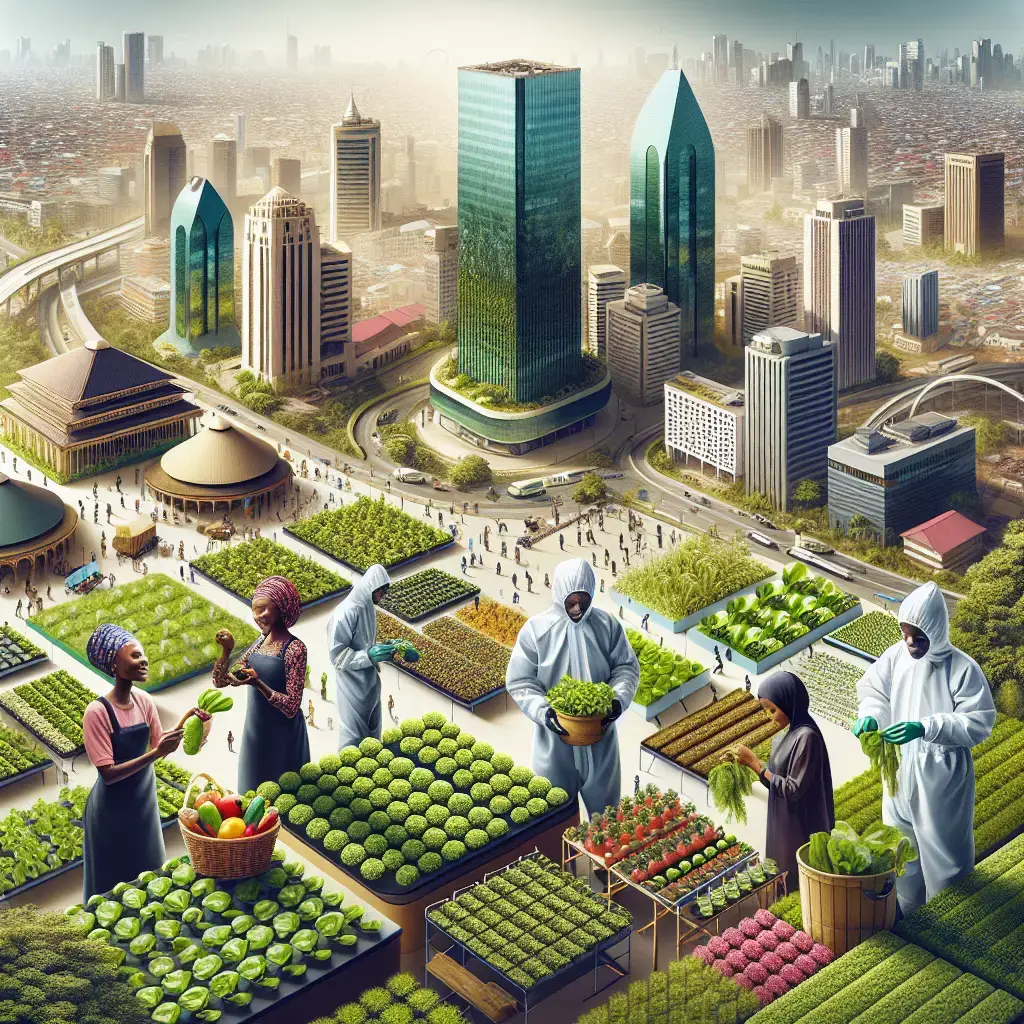
Hydroponics—a method of growing plants without soil, using mineral nutrient solutions in a water solvent—is central to many vertical farming systems. As Dr. Banarsi Lal outlines in his insightful article on urban agriculture, hydroponics allows for precise control over nutrient delivery, leading to faster growth and higher yields compared to traditional farming.
The Future of Urban Agriculture
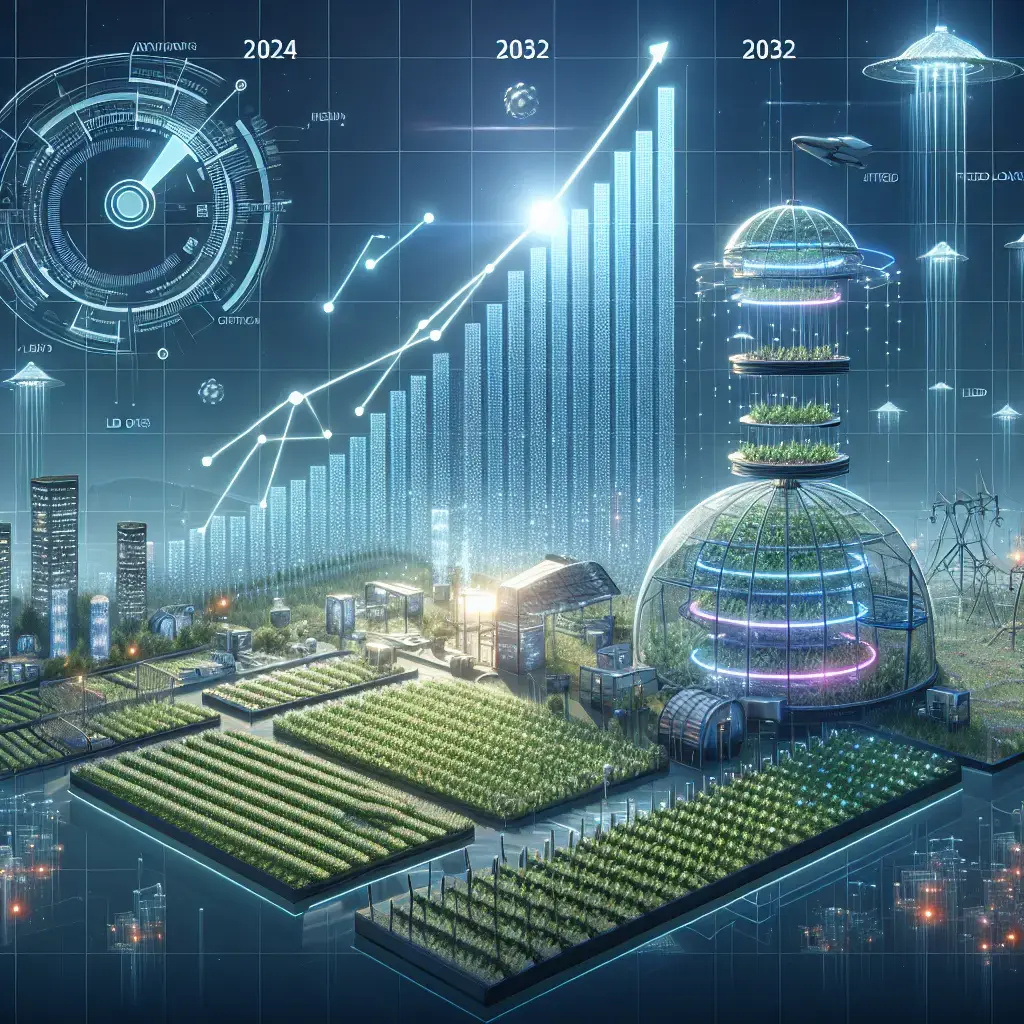
As our cities continue to grow, integrating vertical farming into urban planning could redefine how we produce food sustainably. While there are hurdles to overcome, advances in technology and increased awareness of environmental issues are driving this innovation forward.
In conclusion, vertical farming holds immense promise for addressing the food needs of our burgeoning urban populations while conserving resources and reducing environmental impact. As we look towards the future, it is essential to support and invest in these technologies to create sustainable cities that can nourish their inhabitants.
For more insights into the role of hydroponics and vertical farming in urban agriculture, you can refer to the original article here.

Leave a Comment