
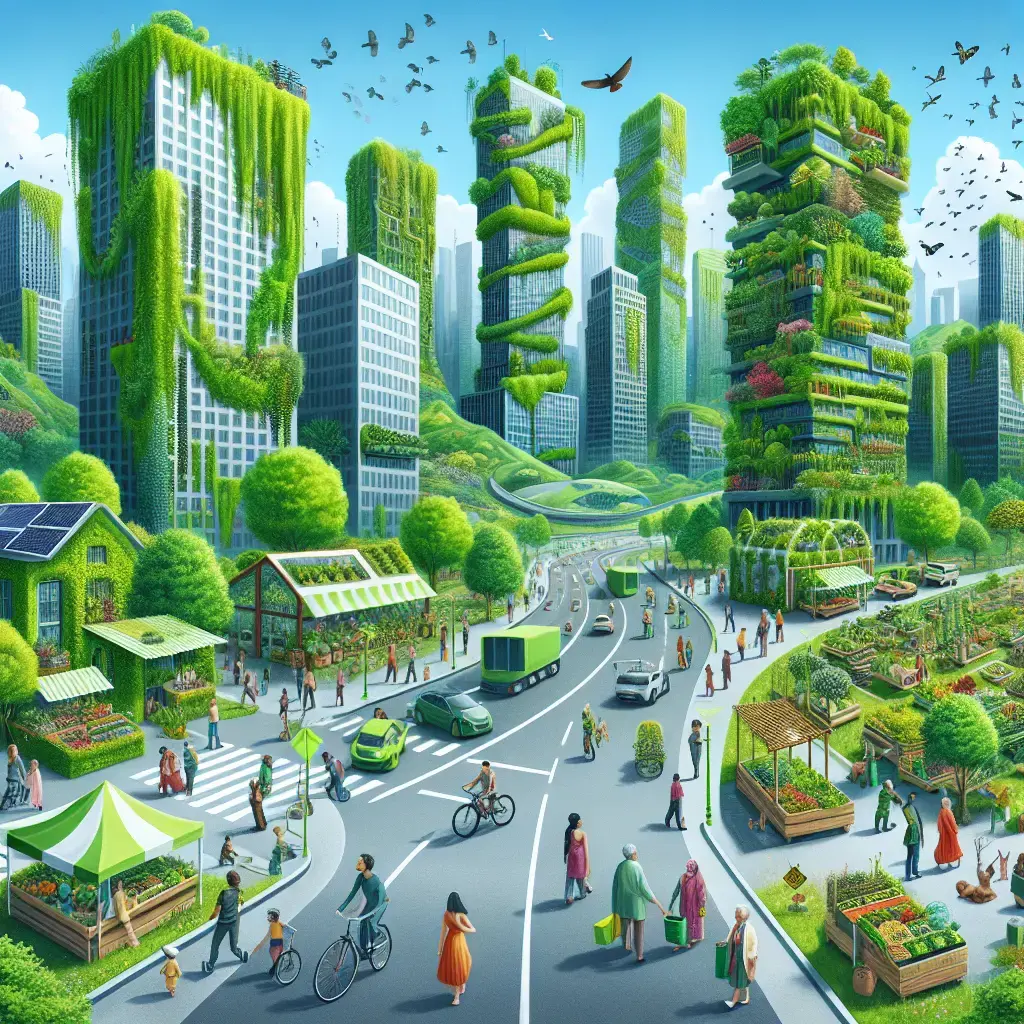
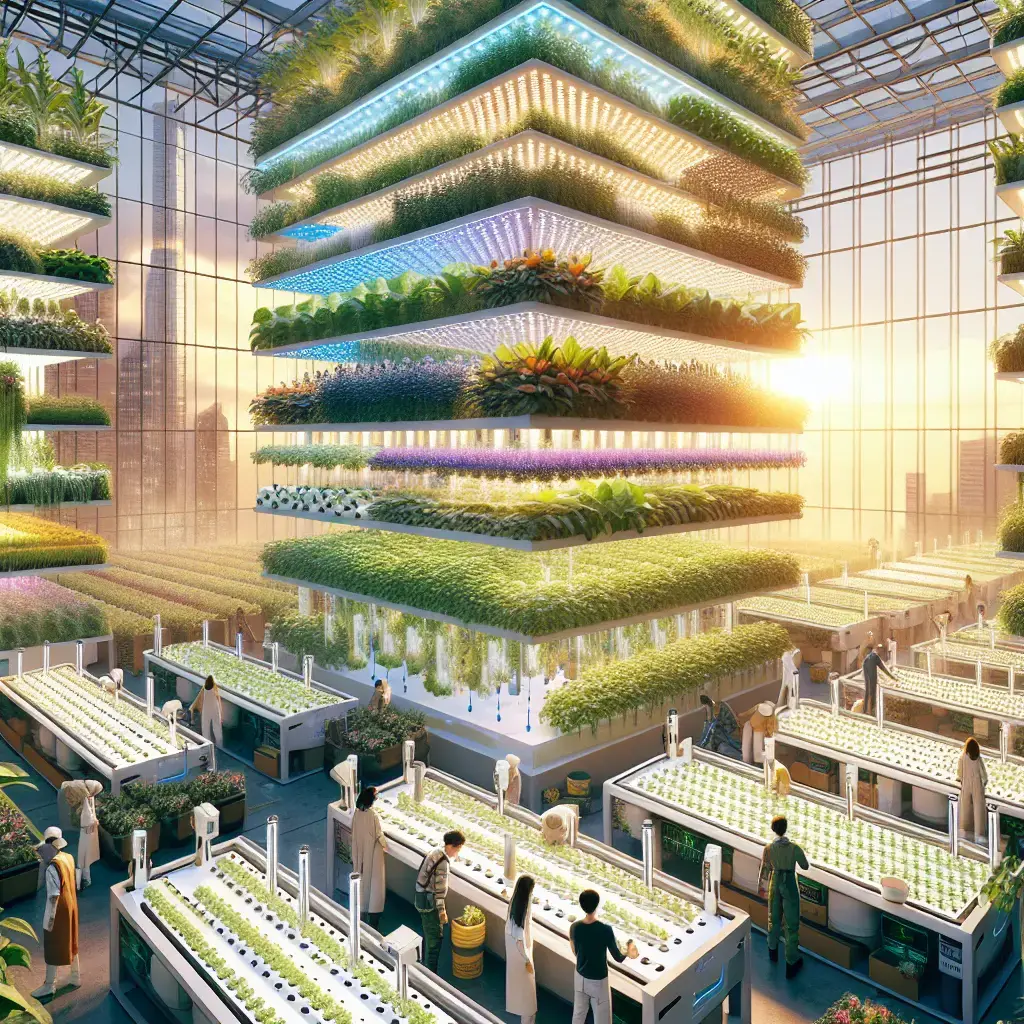
As urban populations continue to grow, the demand for sustainable farming solutions in cities becomes increasingly vital. Urban vertical farming emerges as a groundbreaking innovation, addressing the need for space-saving agriculture by maximizing yield in small spaces. This modern practice transforms how we approach urban agriculture, offering efficient use of space and enhancing urban horticulture.
Vertical farming, characterized by growing produce in controlled environments, is gradually making its way into mainstream agriculture. This method offers a promising solution for space efficiency, crucial for urban settings where land is scarce. In cities like New York and Tokyo, vertical farms are already maximizing yield in small spaces, showcasing their potential to become a staple in urban agriculture.
Advancements in space technology are inspiring developments in vertical farming. A report from NASA reveals that space technology offers innovative insights into sustainability practices on Earth. The precision required in space habitats parallels the controlled environment agriculture (CEA) systems used in vertical farming, enhancing space-saving techniques.
The economic outlook for vertical farming is promising. A report by Custom Market Insights projects the US vertical farming market to grow significantly, reaching USD 7.8 billion by 2033 with a 10.3% CAGR. This growth underscores the increasing demand for compact farming systems and indoor solutions, proving urban horticulture as a sustainable city farming solution.
Technological innovations continue to drive efficiency in urban vertical farming. Smart systems and advanced vertical garden designs optimize space efficiency. The "Smart Specialty Crop Farming Market" report highlights that controlled environment agriculture systems will hold the largest market share. These innovations enable urban farmers to maximize yield while maintaining sustainable practices.
Inspiration from Space Technology
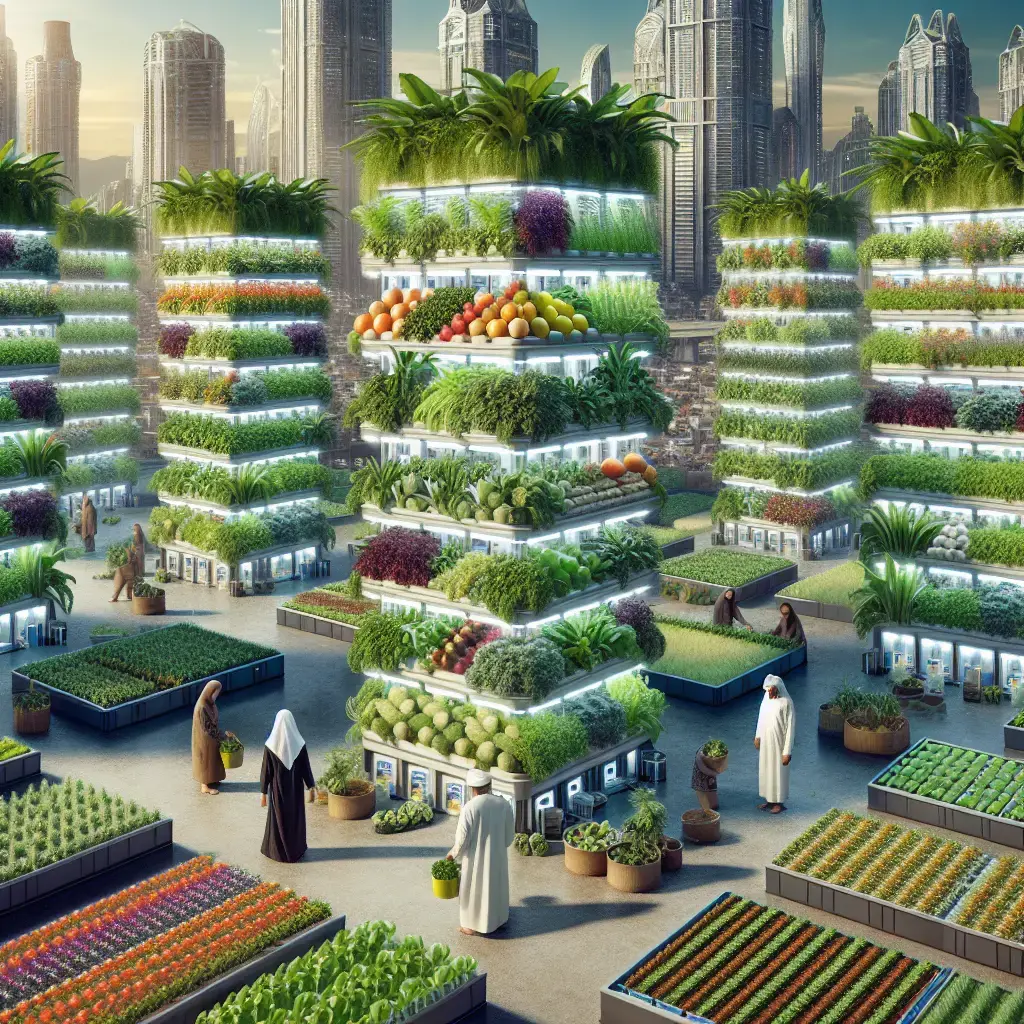
In the Gulf Cooperation Council (GCC) region, hydroponic systems are gaining traction as a preferred method for space-saving agriculture. A report predicts the GCC hydroponic market will reach USD 614.05 million by 2032. Hydroponics eliminates the need for soil, using water-based nutrient solutions to efficiently use farming space.
Urban farming innovations tackle not only space efficiency but also broader challenges like food security and sustainability. In regions like Nigeria, urban vertical farming offers a viable pathway to enhance local food production and reduce dependency on external sources.
Urban vertical farming reveals its potential to transform cities into sustainable centers of food production. By maximizing space efficiency, these techniques address urbanization challenges and contribute significantly to sustainable city farming efforts. As innovations continue, the future of urban agriculture looks promising, paving the way for healthier, more resilient urban environments.
Embracing urban vertical farming as a mainstream practice is imperative for a sustainable future. As technologies evolve and markets grow, cities worldwide can harness these innovations to ensure food security and environmental sustainability. Whether through hydroponic systems or inspiration from space technology, maximizing space efficiency remains central to the evolution of urban agriculture.
Conclusion: Embracing the Future of Urban Agriculture
Urban vertical farming stands as a transformative approach, redefining how we utilize space for agriculture in densely populated areas. Key takeaways include:
Space Efficiency: Vertical farming optimizes limited urban space with controlled environment systems, maximizing yield even in constrained settings.
Technological Inspiration: Integrating space technology into agricultural practices enhances efficiency and sustainability.
Economic Growth: The vertical farming market is growing, with substantial economic potential in regions like the US and GCC.
Hydroponic Advancements: Hydroponics illustrates a shift towards soil-less agriculture using water-based solutions.


Leave a Comment