
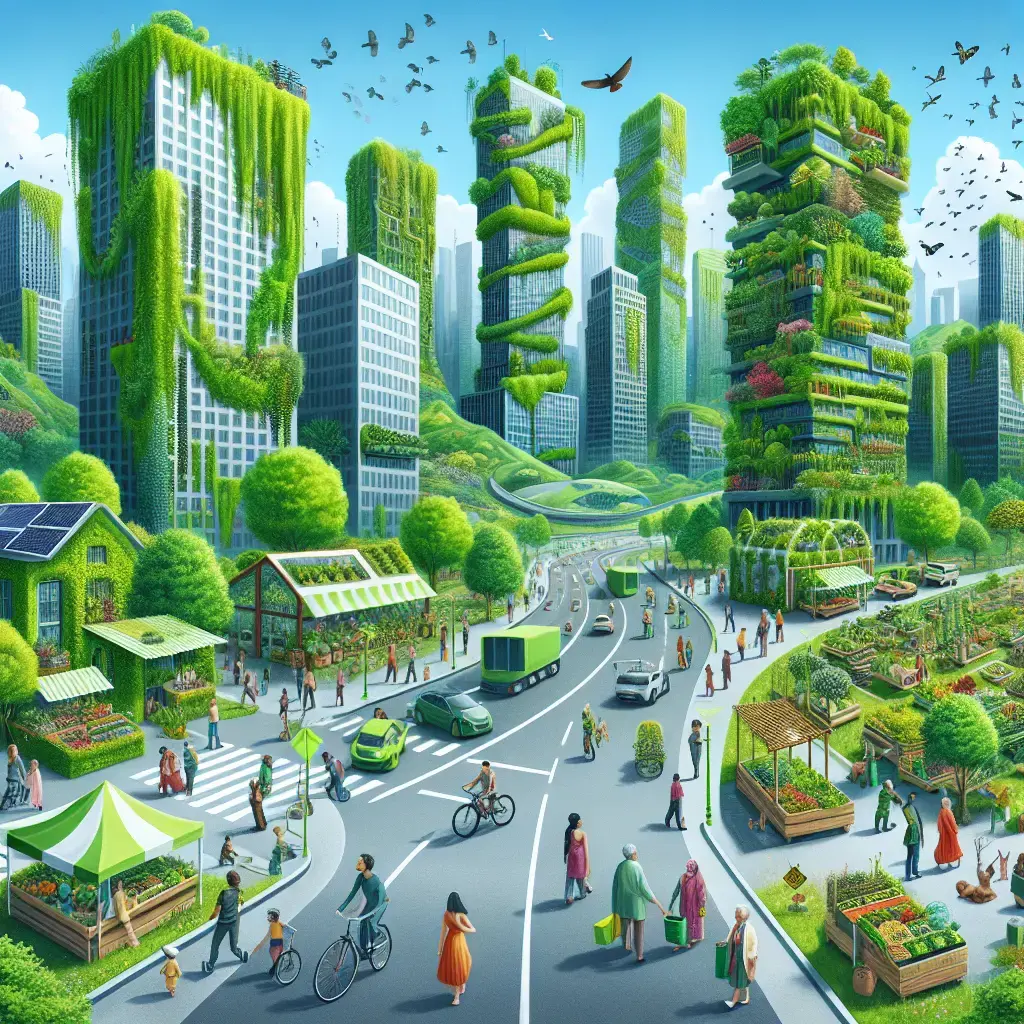
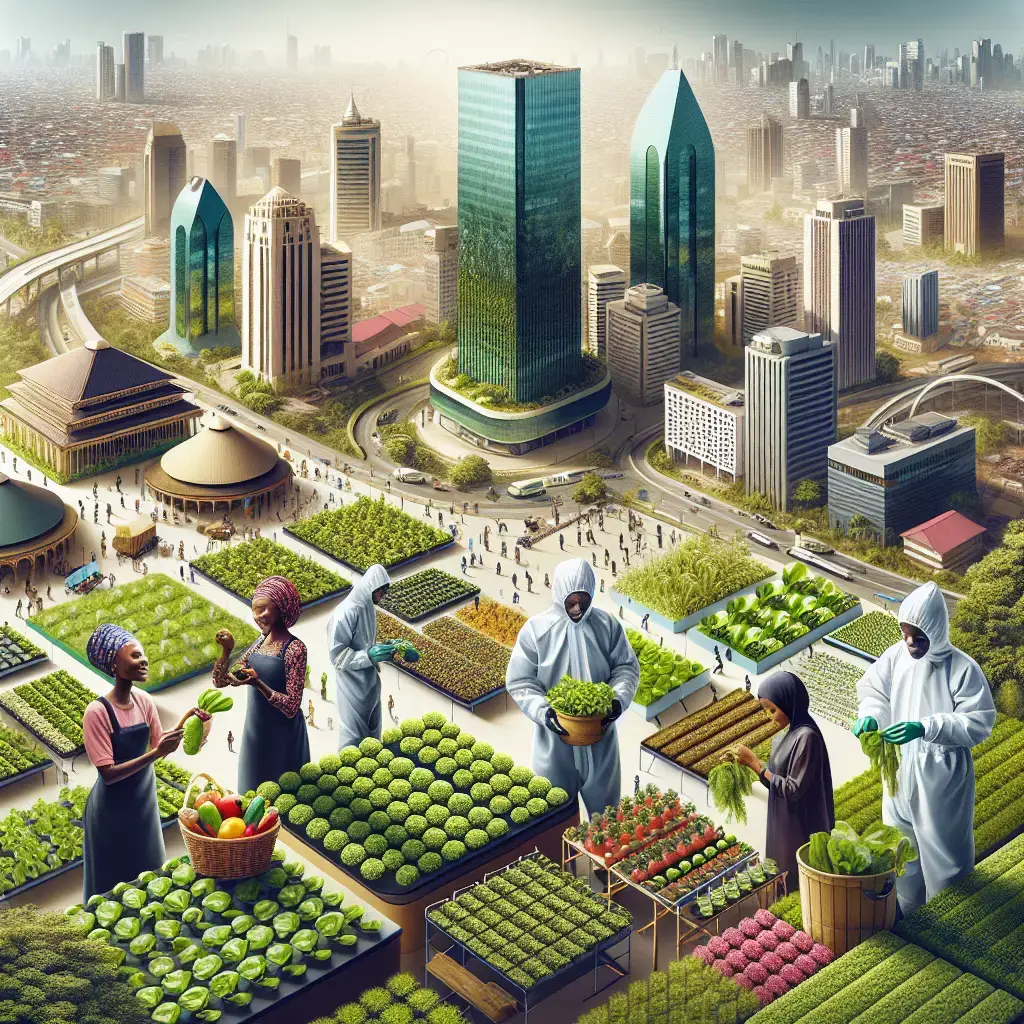
As urban populations surge and land becomes scarcer, vertical farming emerges as a beacon of hope for sustainable food production in our bustling cities.
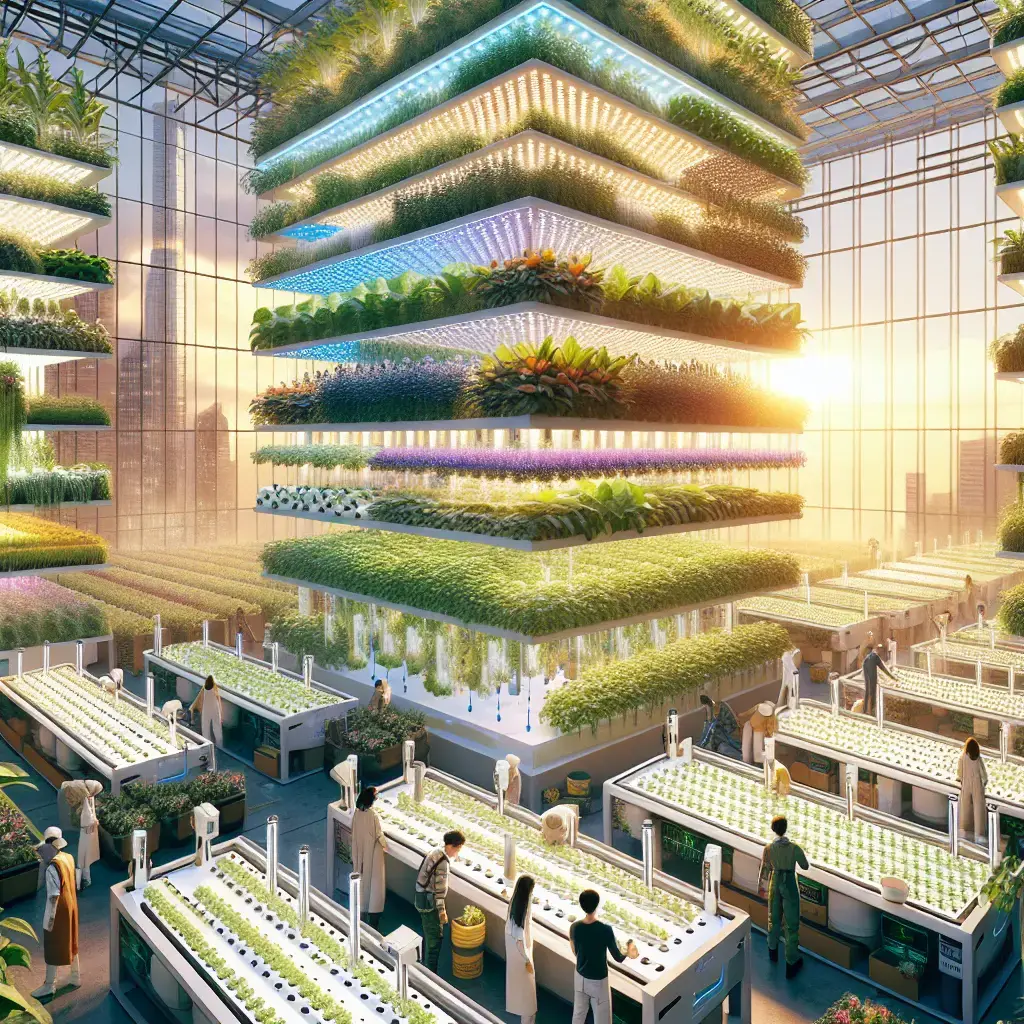
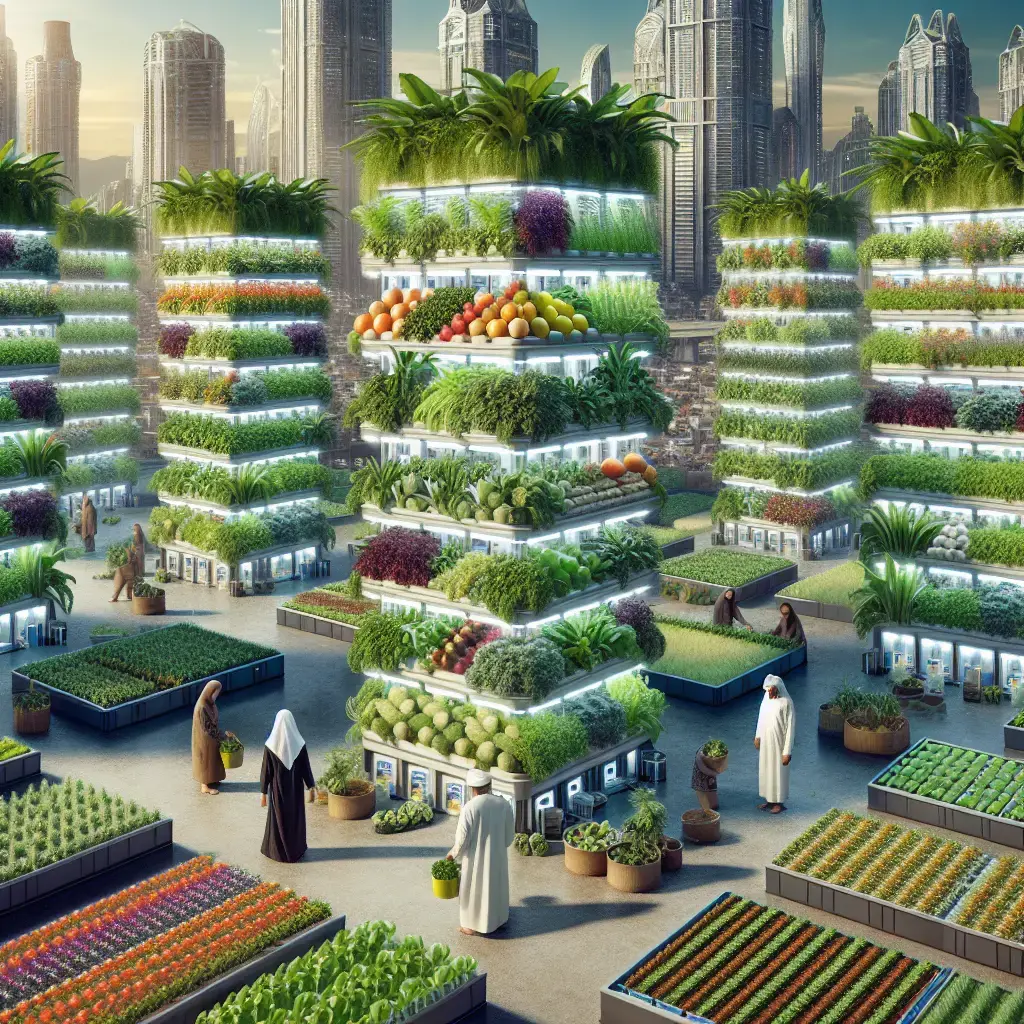
In recent years, the concept of vertical farming has gained substantial traction, especially in urban areas where space is limited, and the demand for fresh produce is on the rise. Vertical farming refers to the practice of growing crops in vertically stacked layers, often integrating controlled-environment agriculture, which optimizes plant growth using methods such as hydroponics, aeroponics, and aquaponics.
The need for innovative farming techniques is becoming more critical as cities around the world face food security challenges. A poignant example is Nigeria, where a recent report from the Ministry of Agriculture indicates that approximately 31.5 million citizens are at risk of experiencing a food and nutrition crisis. This stark prediction underscores the urgent need for sustainable solutions to feed urban populations effectively.
Vertical farming offers several advantages that make it a viable solution for urban areas:
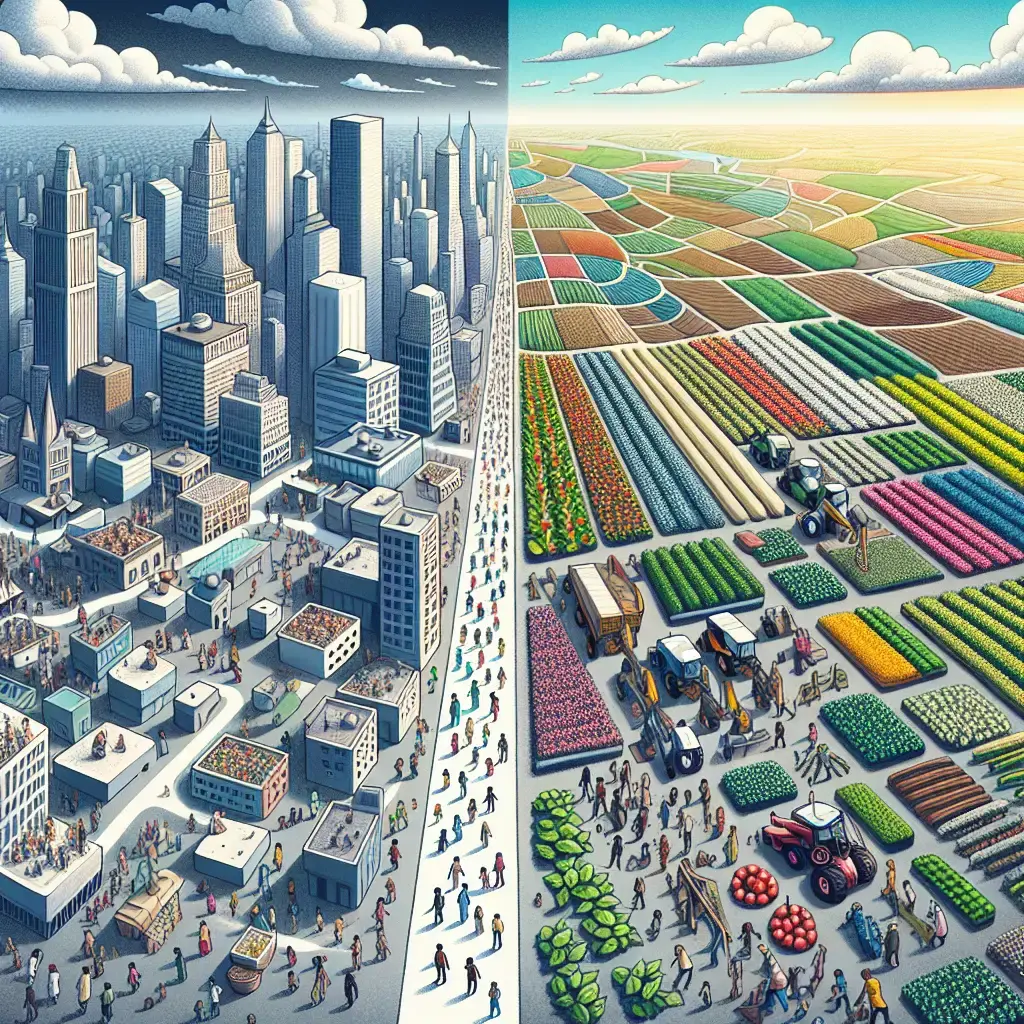
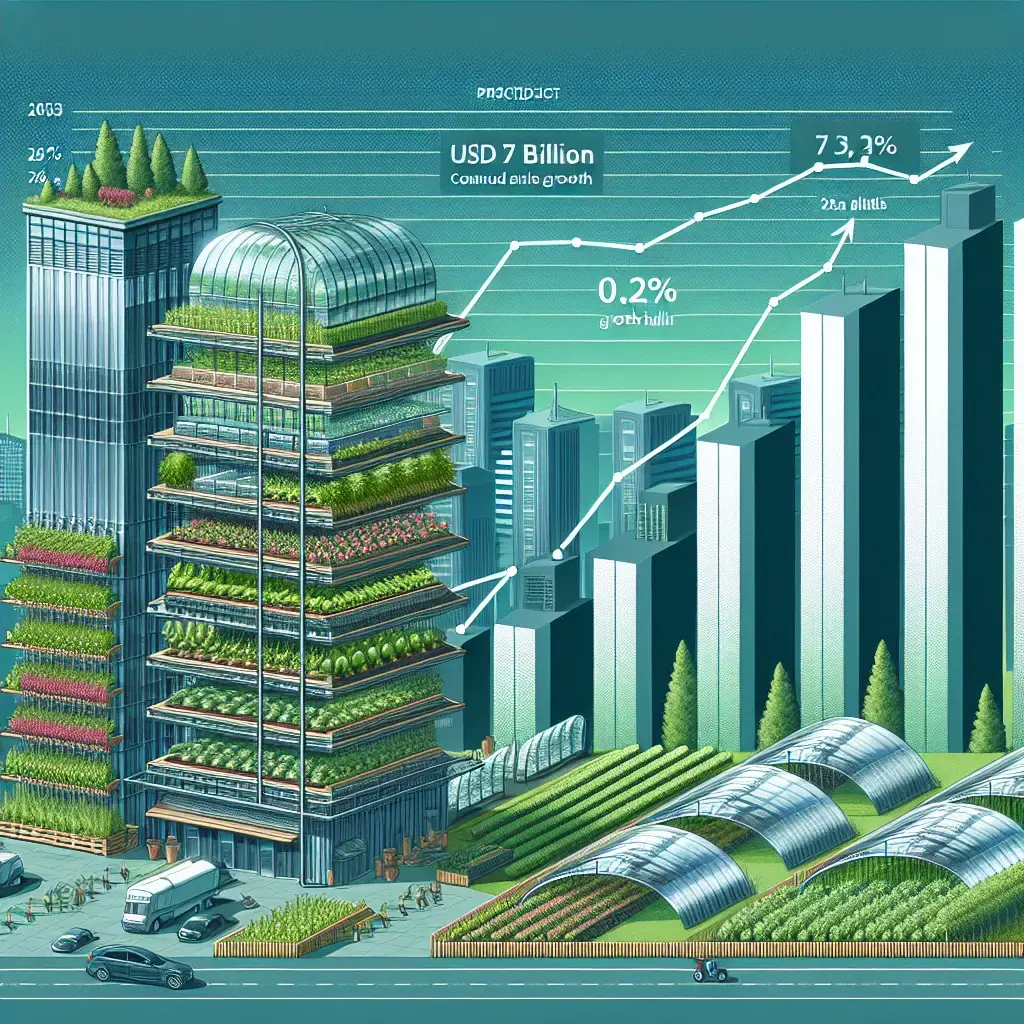
Space Efficiency: By growing crops in vertical stacks, this method maximizes the use of limited urban space, making it possible to farm in locations that would otherwise be unsuitable.
Challenges and Considerations
While vertical farming holds great promise, it's not without challenges:
High Initial Costs: Setting up a vertical farm requires significant investment in technology and infrastructure.
Energy Consumption: Maintaining controlled environments can lead to high energy demands, although renewable energy sources can help mitigate this.
Technical Expertise: Successful operation of vertical farms requires skilled personnel who are knowledgeable about both agriculture and technology.
Looking Ahead
The future of vertical farming in urban areas looks promising as technology continues to advance. Cities worldwide are beginning to adopt these innovative farming methods to combat food insecurity and enhance urban resilience. In places like Nigeria, integrating vertical farming could be a sustainable pathway to addressing unfolding food crises.
For further insights into the potential of urban farming as a solution to food shortages, you can explore this article.
In conclusion, as we seek to nourish growing urban populations amidst the challenges of climate change and limited resources, vertical farming presents a hopeful avenue. By investing in and adopting this approach, cities can create sustainable ecosystems that not only provide food security but also contribute to healthier and more resilient communities.
Here's to nurturing our cities with innovation and foresight!

Leave a Comment