
In the face of escalating urban environmental challenges, innovative farming techniques like vertical farming are emerging as crucial climate change solutions. As cities expand and urban heat islands intensify, the quest for sustainable city living becomes imperative. Vertical farming in cities presents a transformative opportunity to mitigate heat island effects while promoting eco-friendly urban planning. By integrating vertical farming technology and green architecture into urban infrastructure, we can enhance urban sustainability and foster climate-resilient cities.
This cutting-edge approach to urban agriculture leverages city farming to reduce urban heat, cooling urban environments through rooftop gardens and other green infrastructure. The environmental impact of vertical farming extends beyond mere aesthetics, offering substantial benefits such as improved air quality and reduced energy consumption. Vertical farming is not just about producing food in confined spaces; it’s a holistic strategy that contributes to urban greening strategies and sustainable agriculture.
As a facet of smart city solutions, vertical farming plays a vital role in creating climate-resilient cities by incorporating urban farming benefits into the fabric of metropolitan areas. These efforts in reducing urban heat contribute to broader climate change solutions, aligning with eco-friendly urban planning principles. By employing innovative vertical farming technology, cities can transform their landscapes into cooler, more livable environments.
With an eye on the future of agriculture, exploring the synergy between vertical farming and green architecture paves the way for sustainable urban growth. As we delve into the main content, we will uncover how these practices are reshaping urban landscapes and redefining our approach to city living.
Vertical Farming's Role in Reducing Urban Heat Islands
Understanding Urban Heat Islands
Urban heat islands are areas within cities where temperatures are significantly higher than surrounding rural areas. This phenomenon is primarily caused by human activities, dense infrastructure, and limited vegetation. The implications are vast, affecting not only the environment but also public health, energy consumption, and overall quality of life. In this context, how can vertical farming help mitigate such impacts?
Vertical Farming and Urban Heat Mitigation
Vertical farming stands at the forefront of climate change solutions, with its capacity to integrate into urban settings seamlessly. By utilizing vertical spaces such as walls and rooftops for agriculture, these systems provide several benefits:
Cooling Urban Environments: Through the implementation of rooftop gardens and green walls, vertical farming helps reduce surface temperatures. Plants absorb sunlight, provide shade, and release moisture into the air through transpiration, collectively contributing to cooling effects.
Recent Developments and Case Studies
Green Architecture Synergy: Vertical farming technology dovetails with green architecture by promoting designs that incorporate natural elements into buildings. This synergy not only beautifies urban landscapes but also enhances energy efficiency by reducing the need for artificial cooling.
Reduction in Energy Consumption: As these systems help in cooling urban environments, they can lead to significant reductions in the demand for air conditioning, especially during peak summer months. This reduction not only cuts down on energy bills but also decreases the urban carbon footprint.
In recent years, cities across the globe have recognized the environmental impact of vertical farming as a viable strategy for heat island mitigation. Notably, Singapore has been pioneering efforts in this field. The country's extensive use of vertical gardens on high-rise buildings has been linked to noticeable drops in local temperatures, demonstrating the potential of these innovative farming techniques.
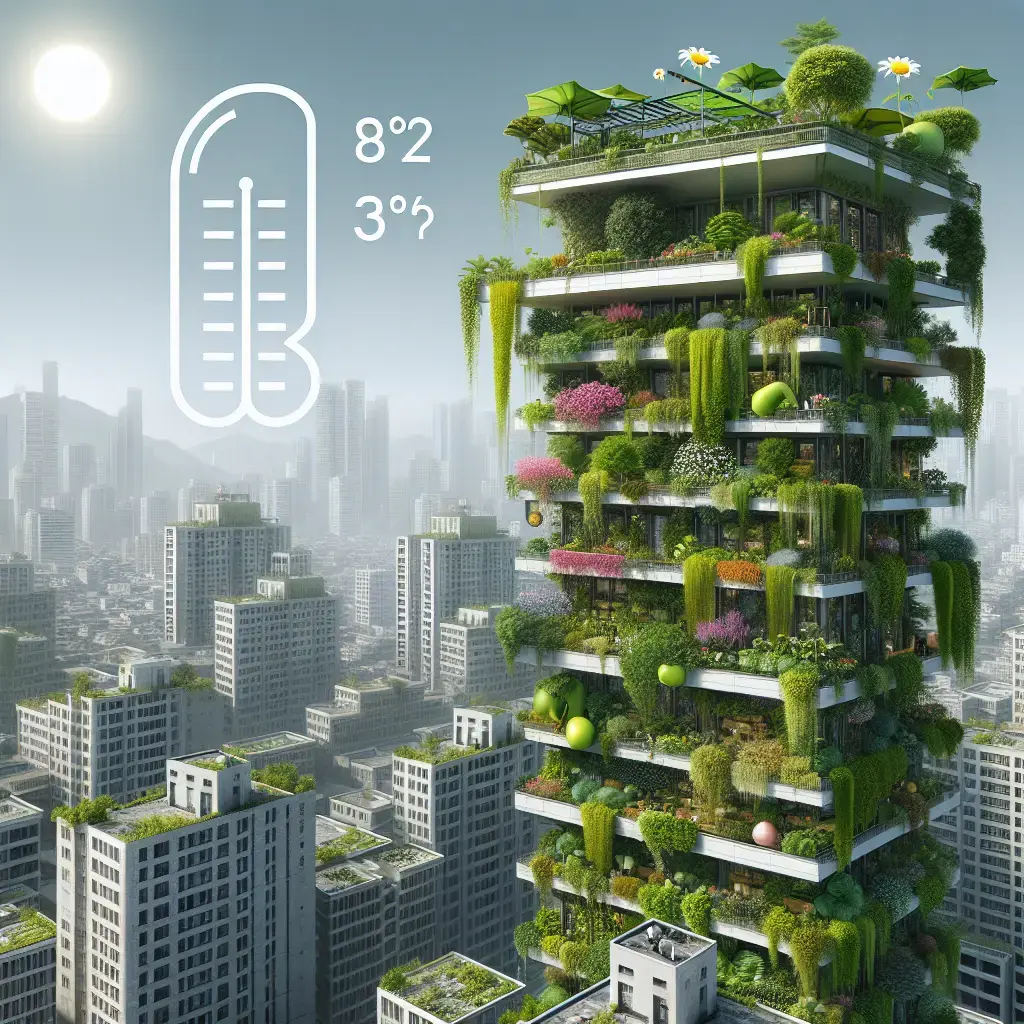
A 2023 study published by the National University of Singapore found that buildings with vertical gardens experienced a decrease in ambient temperature by up to 3°C compared to those without such green infrastructure (National University of Singapore). This data underscores the tangible impact of integrating urban agriculture into city planning.
Moreover, in New York City, initiatives such as the "Green Roofs for Healthy Cities" program have been pivotal in promoting rooftop gardens as part of a broader strategy to combat UHIs. By incentivizing building owners to adopt green roofing solutions, NYC aims to reduce summer peak demand by up to 15% (NYC Environmental Protection).
Innovative Farming Techniques for Future Resilience
Urban Greening Strategies: Beyond cooling effects, vertical farms improve air quality by filtering pollutants and providing oxygen. This contributes to healthier living environments, particularly in densely populated urban areas.
Biodiversity Enhancement: Vertical farms can create habitats for various species, fostering biodiversity within urban settings. This ecological benefit is crucial for maintaining balanced ecosystems amidst rapid urbanization.
Challenges and Considerations
Community Engagement and Education: These urban farming benefits extend to social dimensions as well. Vertical farms can become educational hubs where communities learn about sustainable agriculture and environmental stewardship.
While the advantages are clear, implementing vertical farming systems comes with challenges that must be addressed:
Cost and Maintenance: The initial setup cost for vertical farms can be high, and ongoing maintenance requires specialized knowledge. It's essential for municipalities to offer incentives or support to encourage adoption.
Water Usage: While vertical farming uses water more efficiently than traditional methods, it still requires a reliable water source. Innovative solutions like rainwater harvesting and recycling systems can mitigate this issue.
As we progress through 2024 and beyond, the potential of vertical farming in cities continues to grow. It's essential for policymakers, architects, and urban planners to recognize and harness its benefits in reducing urban heat islands and promoting sustainable agriculture.

Leave a Comment