
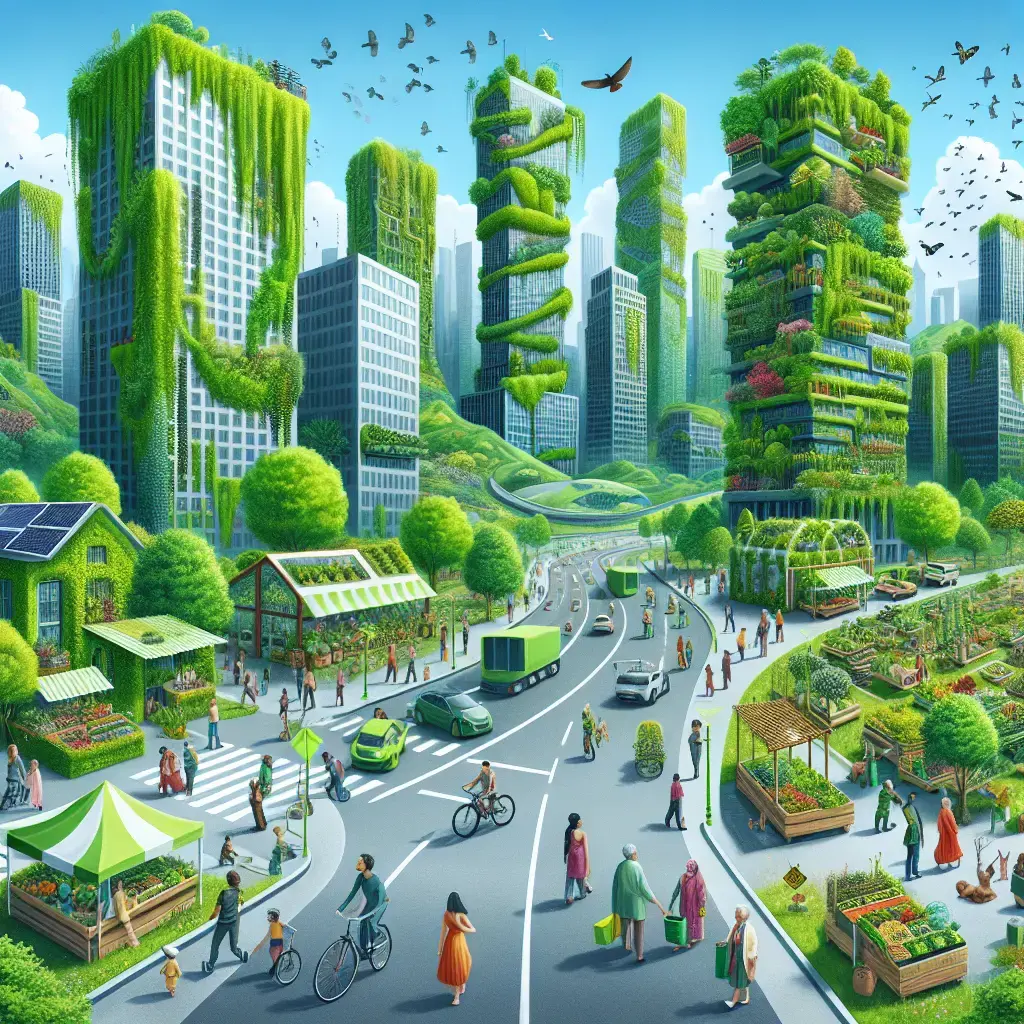
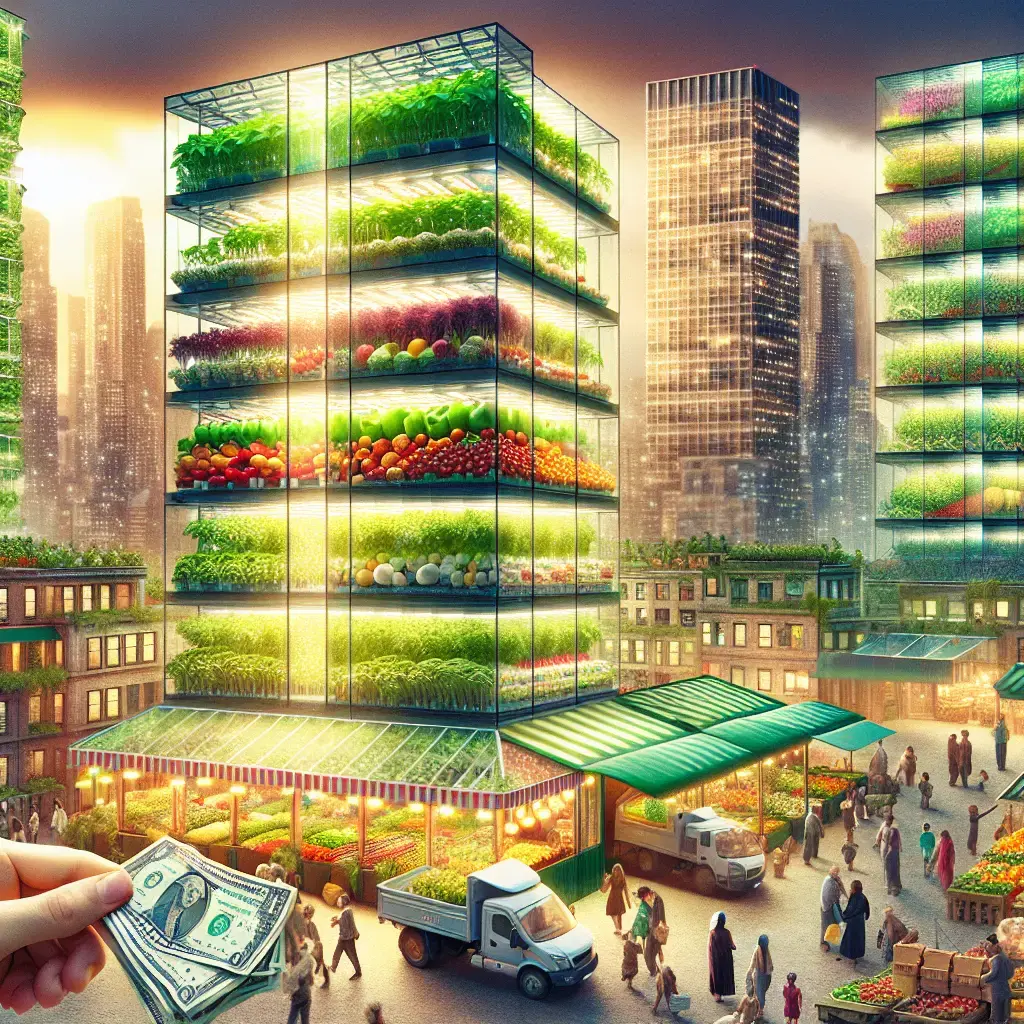
In the bustling heart of urban environments, where space is limited and sustainability is paramount, urban vertical farming emerges as a transformative force. This innovative approach to agriculture is redefining local economies and urban landscapes, offering a beacon of hope for sustainable urban farming.
Urban vertical farming stands at the intersection of cutting-edge technology and traditional agriculture, making it a compelling solution for cities worldwide. As the benefits of urban vertical farming become increasingly evident, its impact on local economies cannot be overstated. By harnessing the power of vertical farming innovations, cities can boost local food production, enhance community impact, and contribute to the vision of green cities and agriculture.
The economic impact of vertical farming in cities extends beyond mere food production. It fosters urban sustainability by reducing the carbon footprint associated with transporting produce from rural farms to urban centers. This not only supports local economies and vertical farming initiatives but also enriches urban gardening and economy frameworks by creating job opportunities and educational resources on vertical farming.
With urban agriculture thriving, we witness inspiring vertical farming success stories that highlight the future of urban farming. These developments invite a reevaluation of how cities can integrate sustainable practices into their infrastructure.
As we delve deeper into the core elements of this urban farming technology, we discover a future ripe with possibilities, where city living and agriculture coexist harmoniously, driving economic growth and community well-being.
Urban Vertical Farming's Impact on Local Economies
Urban vertical farming is revolutionizing how cities around the world approach agriculture, blending technology with traditional farming techniques to create a sustainable and economically beneficial model. As we explore the impact of urban vertical farming on local economies, it's essential to consider recent developments, analyze success stories, and understand the educational resources and innovations driving this transformative change.
One of the most significant benefits of urban vertical farming is its ability to enhance local food production. By growing produce within city limits, vertical farms reduce the dependency on long supply chains, thereby lowering transportation costs and minimizing the carbon footprint associated with importing food from rural areas. This shift not only supports urban sustainability but also strengthens local economies.
The economic impact of vertical farming in cities extends beyond food production. It creates numerous job opportunities in urban areas, contributing to the community impact of vertical farms.
Several cities have become pioneers in adopting urban vertical farming, showcasing its potential benefits and success stories.
Community Impact and Urban Gardening
Urban vertical farming also plays a crucial role in enhancing urban gardening and economy frameworks. By integrating green spaces within urban landscapes, cities can foster community engagement and improve residents' quality of life.
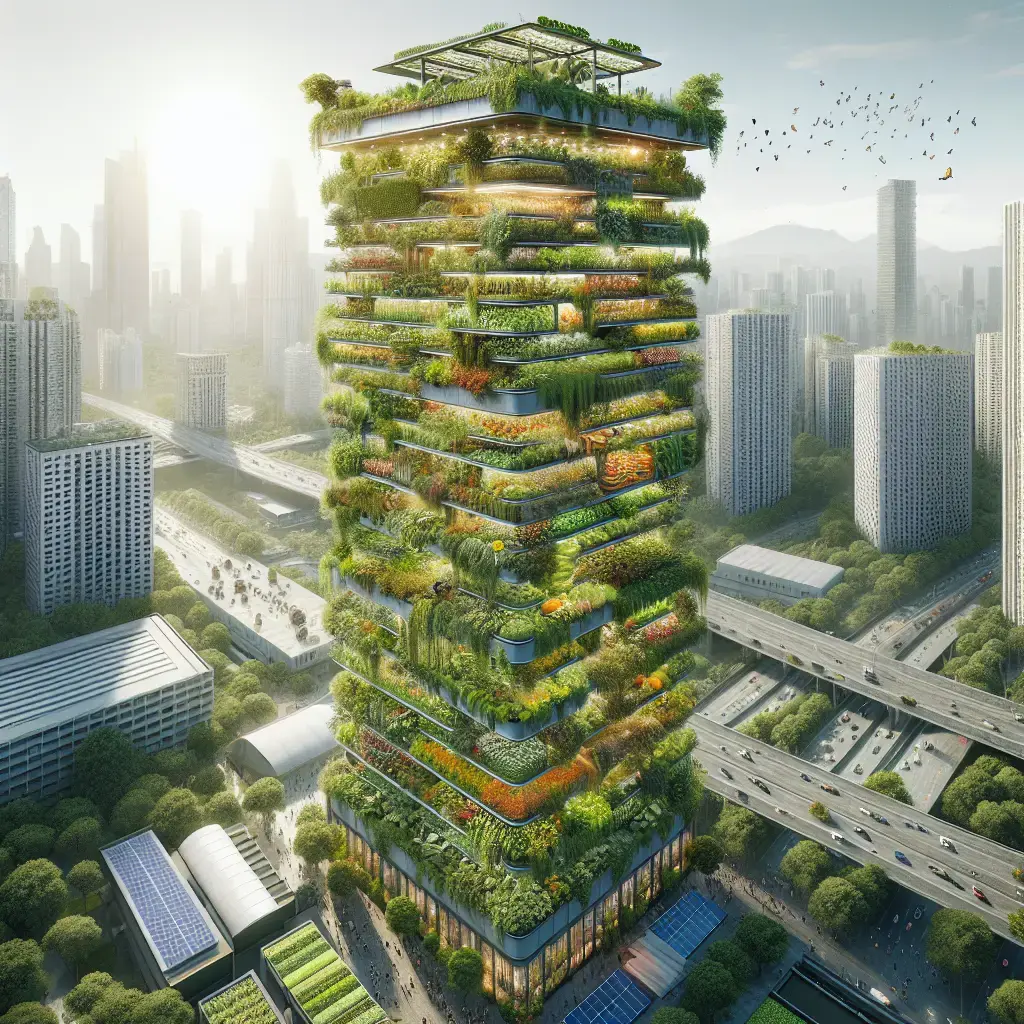
As we look to the future of urban farming, technological advancements continue to drive growth and efficiency in vertical farming systems. Innovations such as automated climate control systems, LED lighting tailored for plant growth, and AI-driven monitoring tools are enhancing the productivity and sustainability of vertical farms.
Moreover, collaborations between tech companies and agricultural startups are paving the way for novel solutions that address urban sustainability challenges.
In conclusion, urban vertical farming stands at the forefront of reshaping local economies through sustainable practices. By fostering local food production, creating jobs, and driving technological innovation, vertical farming is not only a beacon for green cities and agriculture but also a crucial component in the future landscape of urban living.
We invite you to share your thoughts on urban vertical farming's impact on your community. How do you envision this sustainable model transforming your city's economy and lifestyle? Let's engage in a conversation about building greener futures together.

Leave a Comment