
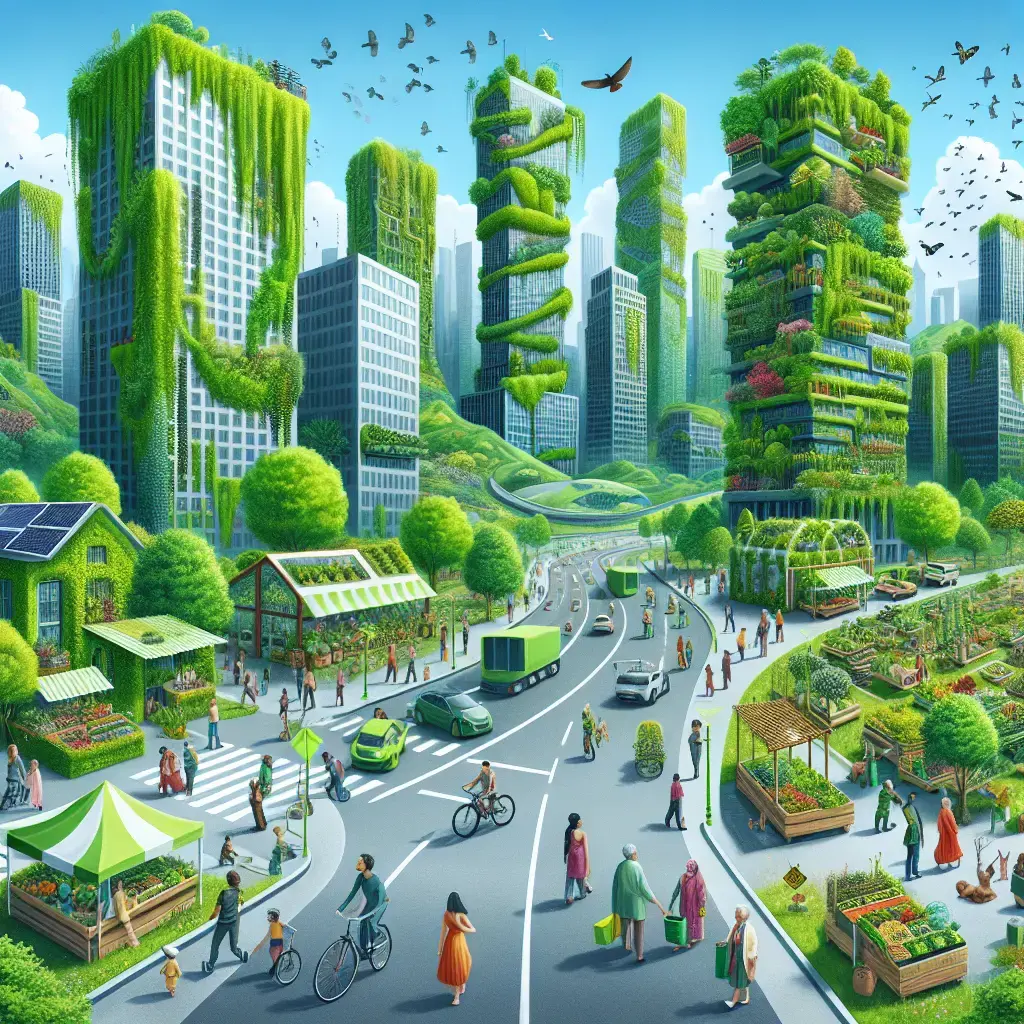
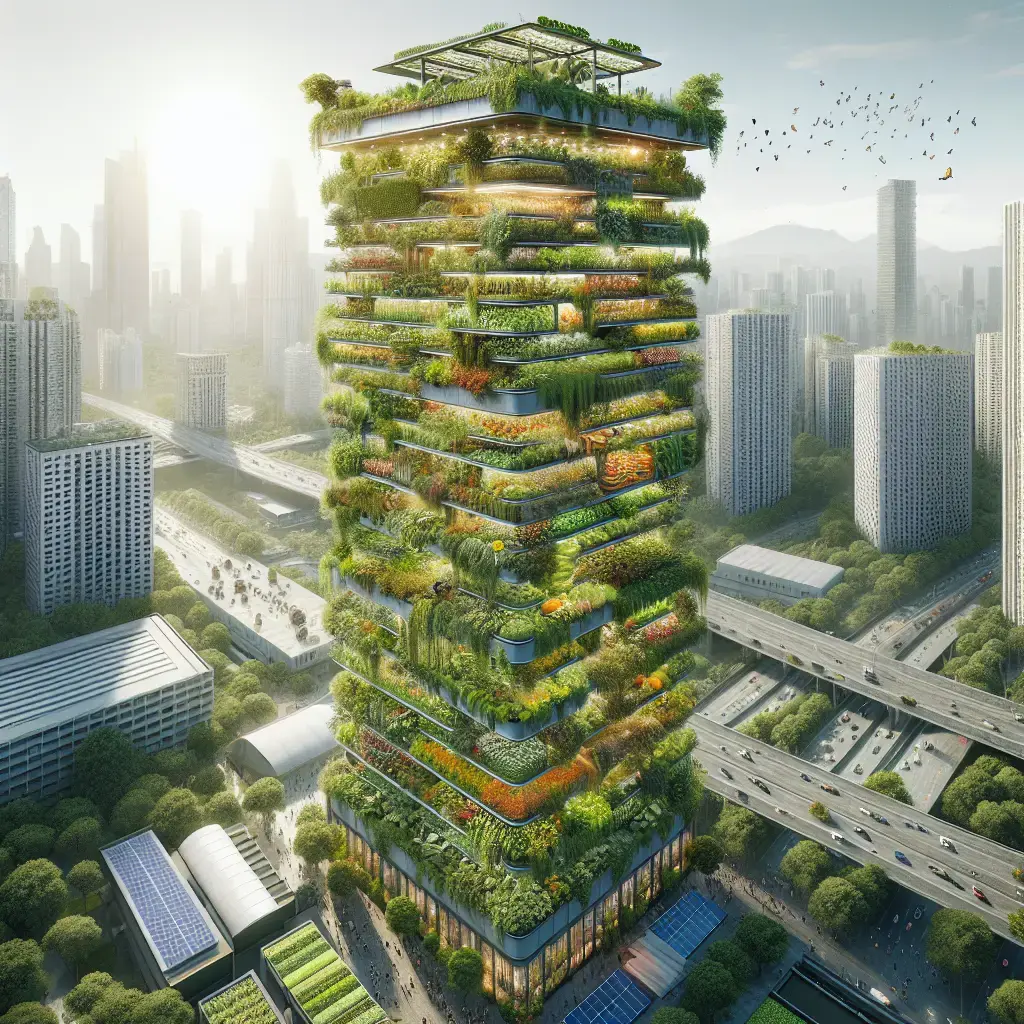
In the heart of our bustling urban landscapes, a green revolution is quietly taking root, transforming the very fabric of city living. Vertical farming, a beacon of innovation in sustainable agriculture, is not just a solution for food security but a powerful catalyst for enhancing urban biodiversity. As cityscapes grow denser, urban farming emerges as a vital component of ecological urban design, intertwining nature with architecture in a harmonious blend. This burgeoning field of vertical farming benefits not only the food supply chain but also breathes life into urban ecosystems, making cities greener and more vibrant.
The environmental impact of vertical farming extends far beyond its walls, fostering urban wildlife habitats and introducing new dimensions of biodiversity in cities. By integrating vertical gardens and indoor agriculture, we see an exciting fusion of technology and nature, offering eco-friendly farming solutions that bolster urban sustainability. The future of urban farming lies in this innovative practice, as it redefines city farming through urban greening and sustainable urban development.
As vertical farming innovation continues to thrive, it promises not just sustainable city living but also the enhancement of nature in cities, creating thriving urban wildlife habitats. The increase in urban biodiversity through such initiatives is paving the way for greener, more resilient urban ecosystems. Join us as we explore the multifaceted contributions of vertical farming to urban biodiversity, and discover how this transformative approach is reshaping our cities for the better. Let's delve deeper into the environmental symbiosis that vertical farming fosters within our modern metropolises.
Vertical Farming's Contribution to Urban Biodiversity
In recent years, vertical farming has emerged as a transformative force in urban landscapes, playing a pivotal role in enhancing urban biodiversity and promoting sustainable agriculture. This innovative approach to city farming is redefining how we think about the integration of nature within our urban ecosystems. As cities continue to expand and become more densely populated, the need for green cities has never been more crucial. Vertical farming not only provides a sustainable solution to food security but also enhances urban biodiversity, creating vibrant urban wildlife habitats and fostering biodiversity in cities.
The Environmental Impact of Vertical Farming
Vertical farming's environmental impact extends beyond mere food production. It represents a shift toward eco-friendly farming practices that align with the principles of urban greening and sustainable urban development. According to recent studies, vertical farms use up to 70% less water than traditional farming methods, while also reducing the carbon footprint associated with transporting food from rural farms to urban centers (Source). This reduction in resource usage is a critical component of urban sustainability.
Moreover, vertical gardens contribute to ecological urban design by providing habitats for various species, thus increasing urban biodiversity. These green structures serve as refuges for pollinators like bees and butterflies, which are essential for maintaining healthy ecosystems. By incorporating vertical gardens into cityscapes, urban planners can create interconnected green corridors that support a diverse range of species.
Case Studies: Vertical Farming's Success Stories
Several cities worldwide have embraced vertical farming innovation, showcasing its benefits to urban ecosystems. In Singapore, for instance, the government has heavily invested in vertical farming initiatives to achieve its "30 by 30" goal—aiming to produce 30% of the country's nutritional needs locally by 2030. Singapore's success story illustrates how urban agriculture technology can be leveraged to enhance urban biodiversity while ensuring food security (Source).
Enhancing Urban Biodiversity Through Vertical Gardens
Vertical gardens play a crucial role in increasing urban biodiversity. By incorporating a variety of plant species, these gardens provide habitats for different forms of urban wildlife. They support the existence of birds, insects, and even small mammals within city limits. This biodiversity enhancement is essential for creating resilient urban ecosystems that can withstand environmental changes and promote nature in cities.
Research has shown that urban farming initiatives, such as vertical gardens, can increase local biodiversity by up to 25% compared to areas without such interventions (Source). This significant increase highlights the potential of vertical farming to reshape our cities into more sustainable living spaces.
The Role of Urban Agriculture Technology
The success of vertical farming largely depends on advancements in urban agriculture technology. Innovations such as LED lighting, hydroponic systems, and automated climate control have made it possible to grow crops in controlled environments with high efficiency. These technologies not only boost crop yields but also reduce the need for chemical pesticides and fertilizers, further minimizing the environmental impact of vertical farming.
Interactive Features: Engaging Urban Communities
Vertical farming initiatives are not just about producing food; they also serve as platforms for community engagement and education. Many vertical farms offer workshops and tours, allowing city dwellers to learn about sustainable agriculture practices and the importance of biodiversity in cities. This direct engagement helps foster a sense of stewardship among residents, encouraging them to participate actively in urban greening efforts.
Looking Ahead: The Future of Urban Farming
The future of urban farming lies in its ability to integrate seamlessly with other aspects of city planning and development. As more cities recognize the importance of biodiversity enhancement and sustainable agriculture, vertical farming will play an increasingly vital role in shaping green cities.
Policymakers and urban planners must continue to support and invest in vertical farming projects, ensuring they are accessible and viable for all communities. By doing so, they can help create resilient urban ecosystems that support diverse forms of life and promote a healthier environment for future generations.
In conclusion, vertical farming is a powerful tool for increasing urban biodiversity and promoting sustainable development within our cities. Through innovative technologies and community engagement, it offers a pathway toward more resilient and vibrant urban ecosystems that can adapt to the challenges of a rapidly changing world. As we continue to explore this transformative approach, it becomes clear that vertical farming holds the key to unlocking the full potential of our urban landscapes.
Conclusion
Vertical farming stands as a revolutionary solution, integrating nature into urban settings and enhancing urban biodiversity. Its significance is underlined through several key aspects:
Environmental Impact: Vertical farming reduces water usage by up to 70% and minimizes the carbon footprint, aligning with urban sustainability efforts.
Biodiversity Enhancement: By providing habitats for pollinators and other species, vertical gardens enrich urban ecosystems, boosting biodiversity by up to 25%.
Technological Advancements: The incorporation of LED lighting, hydroponics, and climate control technologies optimizes production efficiency, further supporting sustainable urban agriculture.
Community Engagement: Vertical farms serve as educational hubs, promoting community involvement in sustainable practices and urban greening.
As cities continue to evolve, vertical farming offers a transformative approach to creating green, resilient urban spaces. It embodies a vision of sustainable city living, where technology and nature coexist harmoniously. As we embrace this innovative practice, we pave the way for healthier urban ecosystems that benefit both people and the planet.
We invite you to reflect on how vertical farming could transform your city. Share your thoughts or experiences with us in the comments—let's foster a community dedicated to sustainable urban living. Together, we can cultivate a greener future.

Leave a Comment