
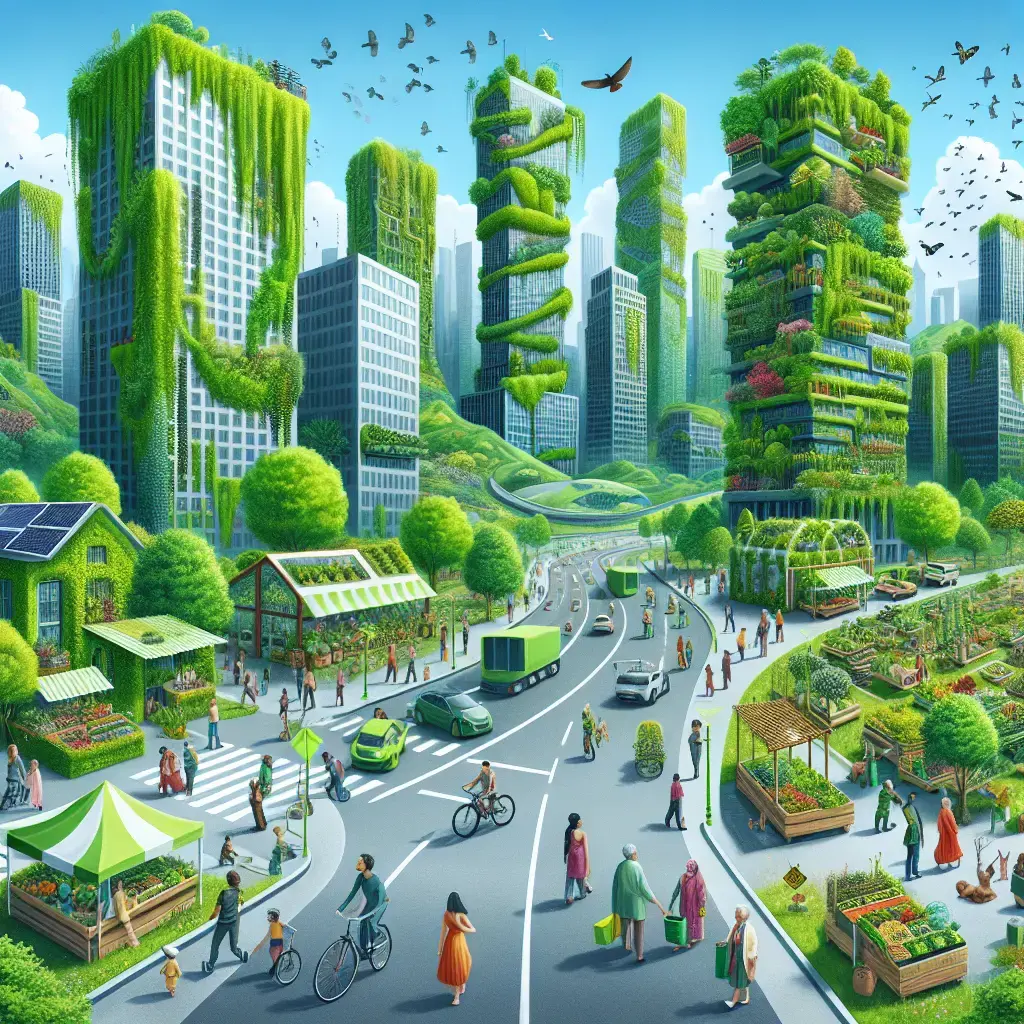
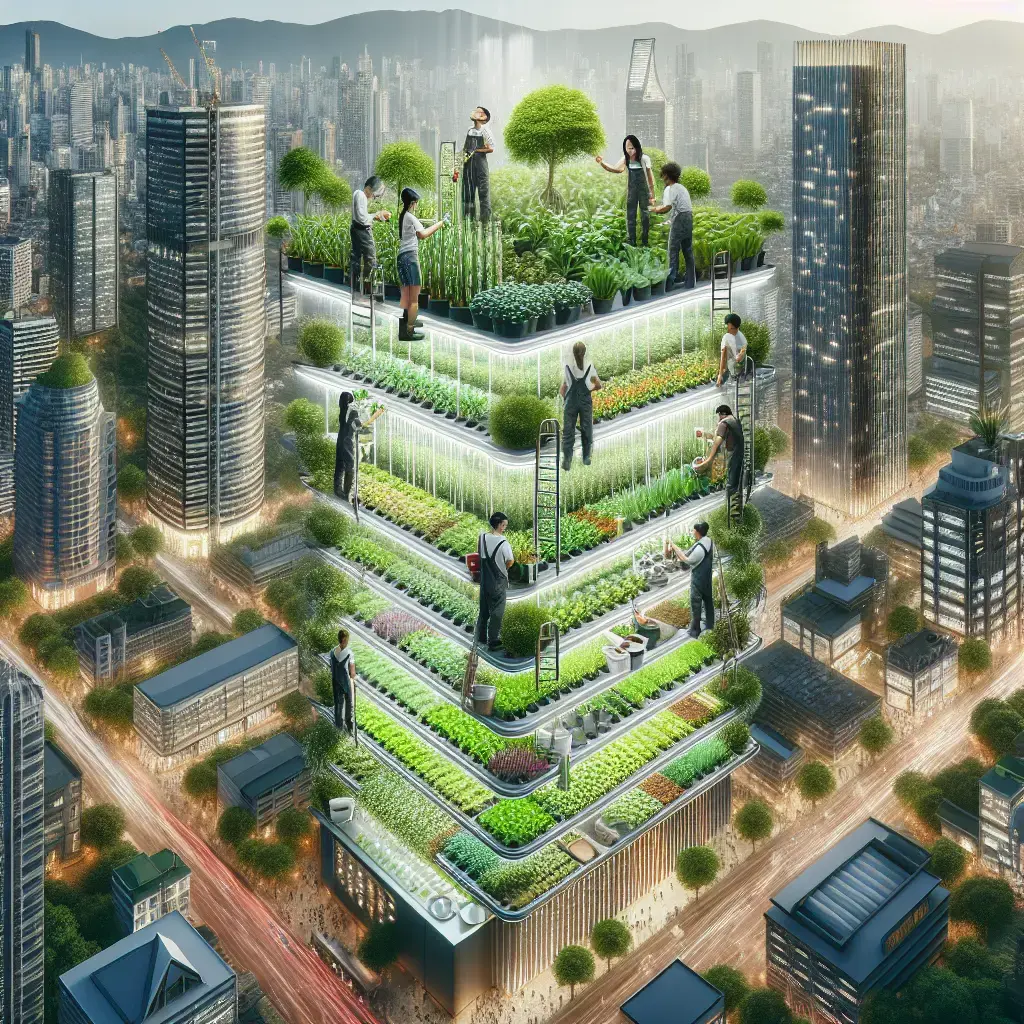
In the bustling heart of modern cities, a revolution is quietly taking root, promising to reshape urban landscapes and address pressing global challenges. Welcome to the world of vertical farming, where innovative technologies are breathing new life into urban agriculture and city farming. As urban populations swell and the demand for sustainable farming practices intensifies, these cutting-edge solutions are emerging as pivotal players in ensuring food security in cities.
In the ever-evolving urban landscapes, vertical farming is rapidly gaining traction as a pivotal solution to address food security and sustainability. This innovative approach integrates advanced technologies to redefine urban agriculture, leveraging controlled environment agriculture to transform how cities produce food. Let's explore the cutting-edge technologies driving this transformation.
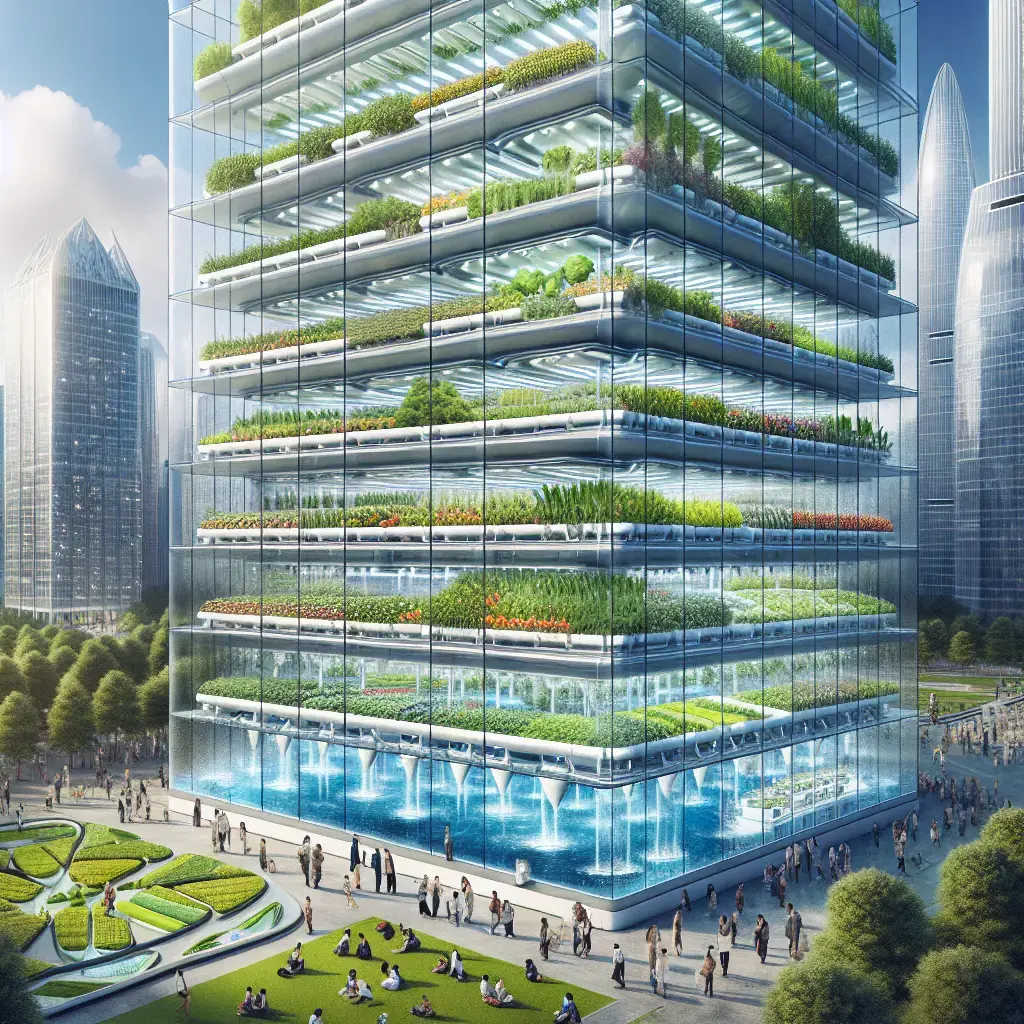
Hydroponics, Aeroponics, and Aquaponics: At the forefront of this movement are advanced systems like hydroponics, aeroponics, and aquaponics, which maximize efficiency by growing crops without soil. These methods allow plants to thrive in controlled environments, minimizing resource use while optimizing growth. Complementing these systems, LED grow lights provide the perfect spectrum for indoor farming, enabling crops to flourish regardless of external weather conditions. Such climate-controlled farming technologies are not just smart farming innovations; they represent a leap towards urban sustainability.
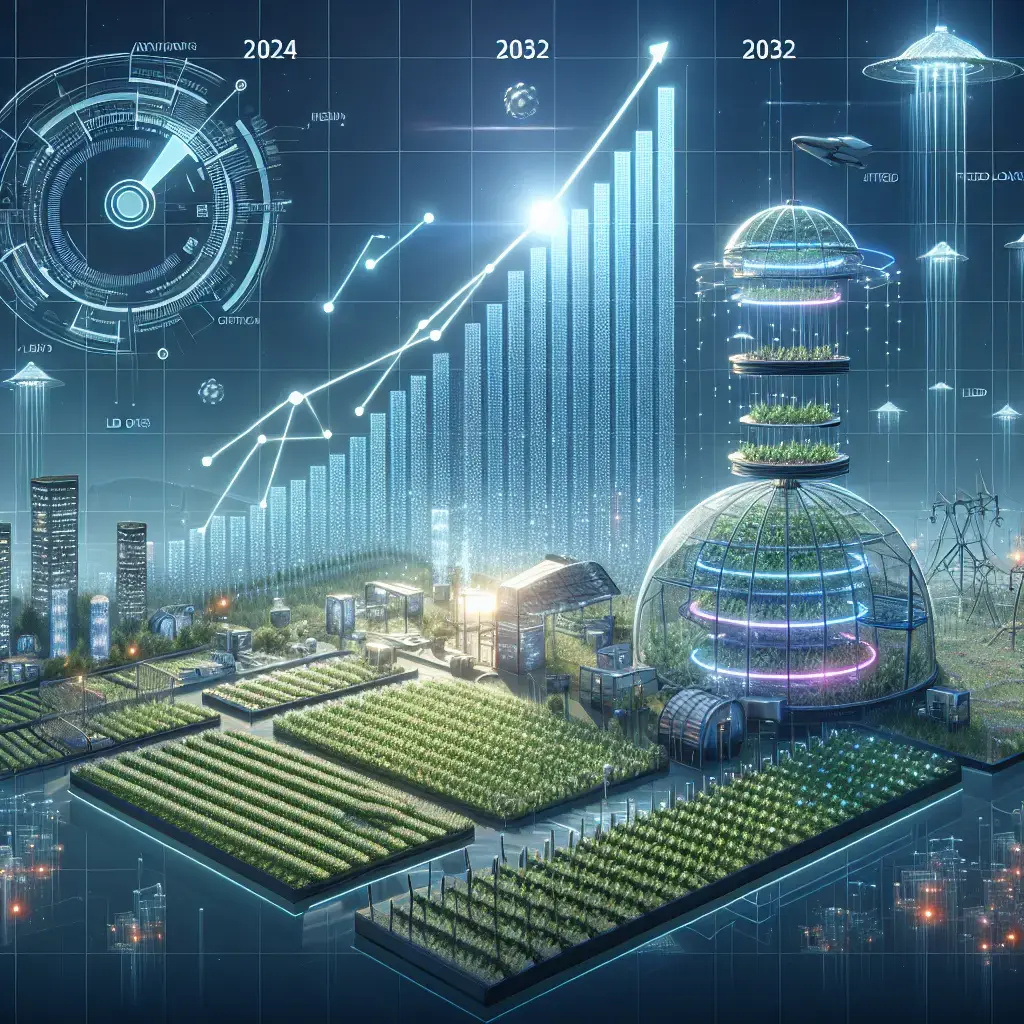
The Indoor Farming Market Boom: The global indoor farming technology market is experiencing significant growth. Valued at USD 20.41 billion in 2023, it is projected to reach USD 53.41 billion by 2033, growing at a robust CAGR of 10.1%. This surge underscores the increasing adoption of vertical farming systems in urban areas, driven by innovative technologies like hydroponics, aeroponics, and aquaponics. Source: Spherical Insights & Consulting
Space Technology: A Catalyst for Sustainability: Interestingly, vertical farming's innovation is inspired by space technology. As highlighted in "Beyond The Stars: How Space Technology Inspires Global Sustainability," advancements in space exploration are shaping sustainable practices on Earth. The precision and efficiency required in space missions are mirrored in urban farming solutions, where controlled environments optimize crop growth regardless of external conditions. Source: GLOBE NEWSWIRE
Precision Agriculture and Smart Farming
Smart farming technologies play a crucial role in enhancing vertical farm productivity. These tools enable real-time monitoring and data-driven decision-making, optimizing crop yields while minimizing resource use. According to the "Smart Specialty Crop Farming Global Market Report 2024-2033," controlled environment agriculture (CEA) systems hardware will dominate the market. This trend reflects the increasing integration of smart systems in urban agriculture, allowing farmers to adapt quickly to changing environmental conditions. Source: ResearchAndMarkets.com
The Impact of LED Grow Lights: LED grow lights are essential in vertical farming, providing the necessary light spectrum for plant growth. These lights allow crops to flourish in indoor settings, independent of natural sunlight. By adjusting light intensity and duration, farmers can optimize growth cycles and increase yields. This technology is pivotal in creating climate-controlled farming environments that support year-round production.
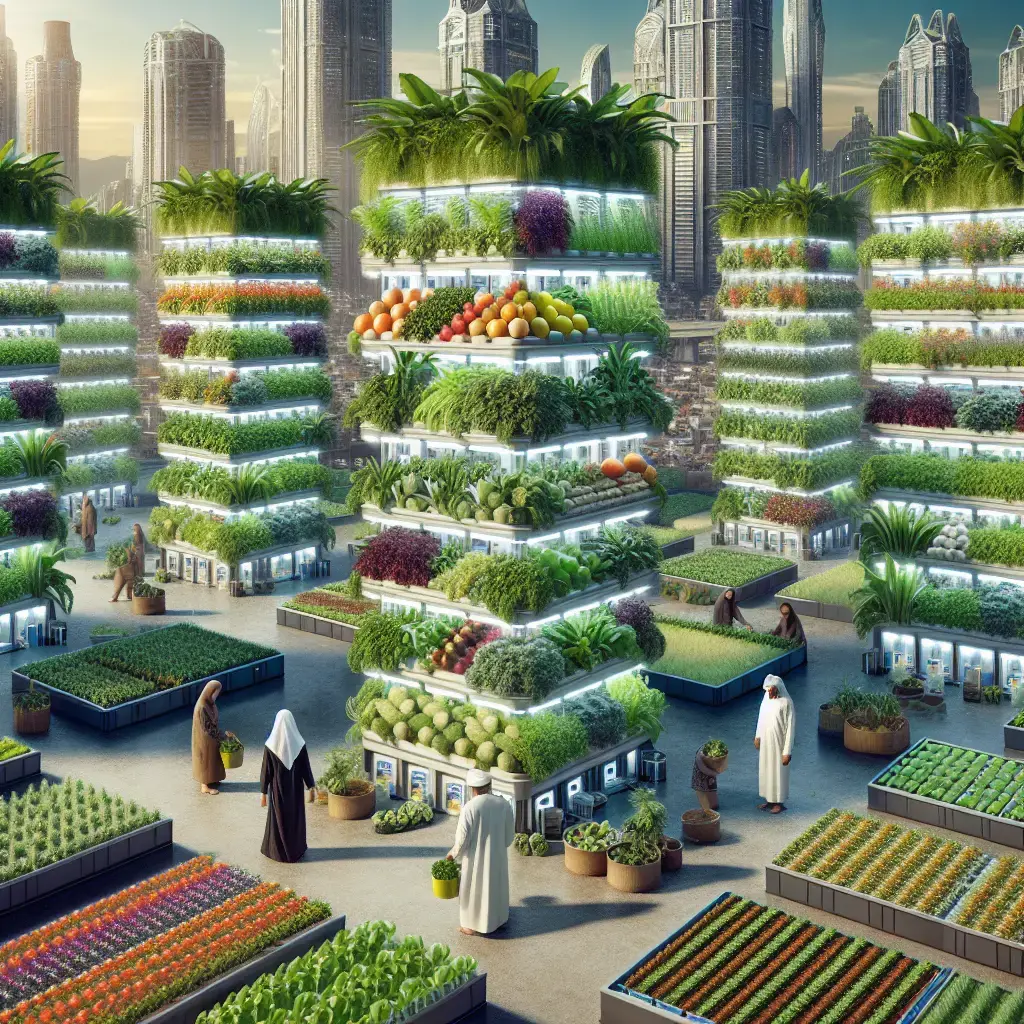
Urban Farming Solutions: Addressing Global Challenges: Vertical farming presents a viable solution to the challenges posed by urbanization and climate change. As highlighted in recent research from Nigeria's Ministry of Agriculture, urban farming can mitigate food crises by enhancing local food production. With urban populations expected to reach 6.3 billion by 2050, sustainable farming practices like vertical farming are vital for ensuring food security. Source: Nigeria’s Ministry of Agriculture
Transforming Cityscapes with Vertical Gardens: Vertical garden systems are revolutionizing urban spaces, turning concrete jungles into green havens. These systems not only enhance urban aesthetics but also contribute to environmental sustainability by improving air quality and reducing heat island effects. The integration of vertical farms into city infrastructures fosters resilient food networks capable of withstanding environmental changes.
Future Outlook
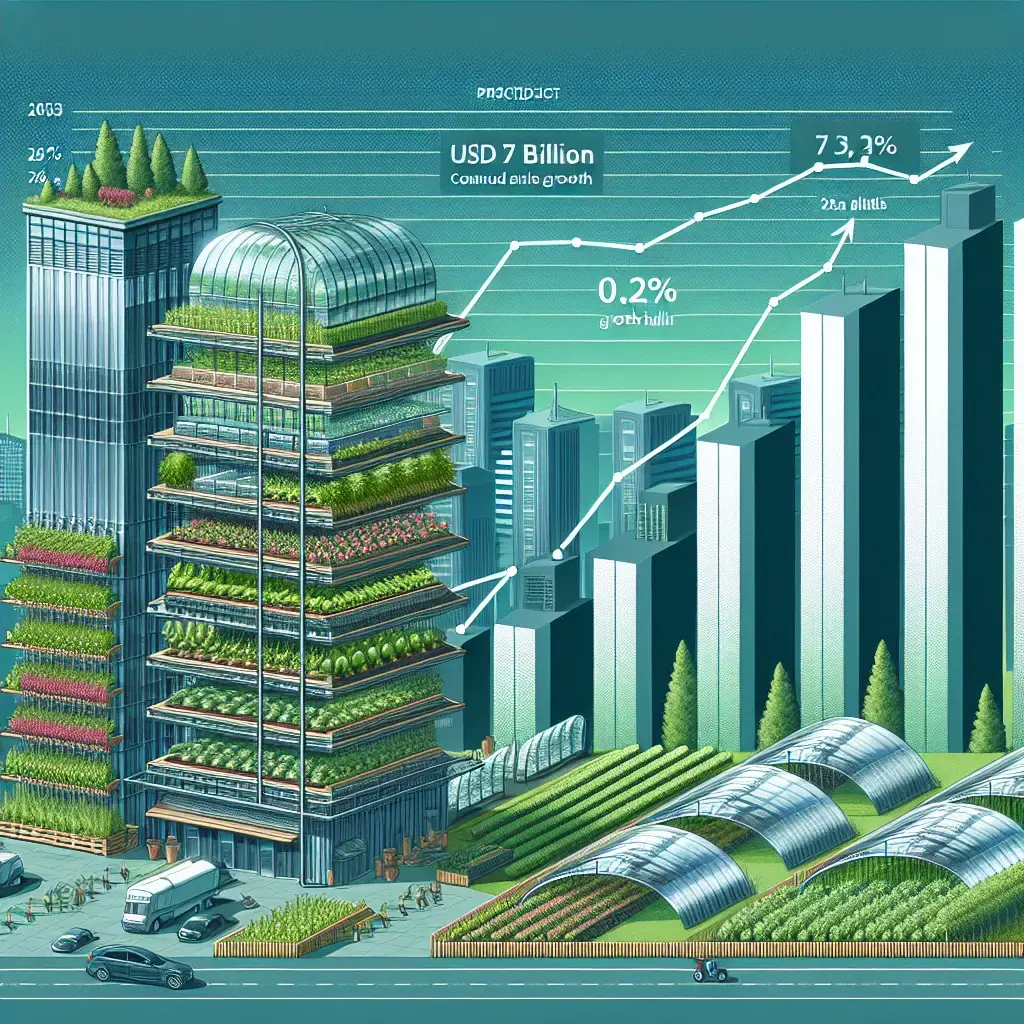
As we look ahead, the future of vertical farming is promising. The US vertical farming market alone is expected to grow from USD 3.4 billion in 2023 to USD 7.8 billion by 2033, at a CAGR of 10.3%. This growth reflects a broader shift towards sustainable and innovative urban agriculture practices that redefine city living. Source: Custom Market Insights
Conclusion: Embracing the Future of Urban Agriculture: Vertical farming is revolutionizing urban landscapes by addressing critical challenges related to food security and sustainability. This innovative approach utilizes cutting-edge technologies that are reshaping city environments and enhancing agricultural productivity. By integrating advanced technologies into urban environments, we enhance food security and sustainability, paving the way for resilient ecosystems.
We invite you to reflect on these advancements and consider how they might influence your local community. Share your thoughts, experiences, or insights on the potential impacts of vertical farming in cities. Together, we can explore the future of urban agriculture and its role in building a sustainable world.

Leave a Comment