
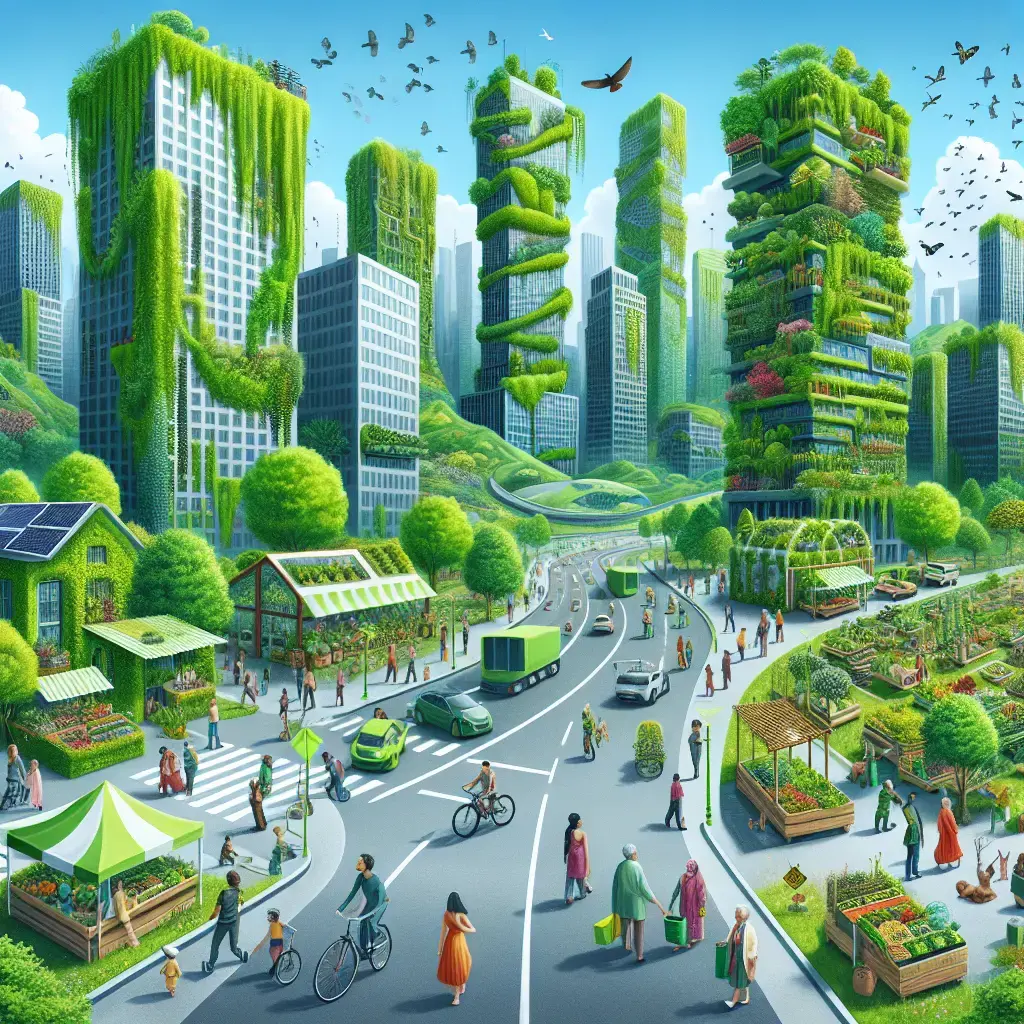
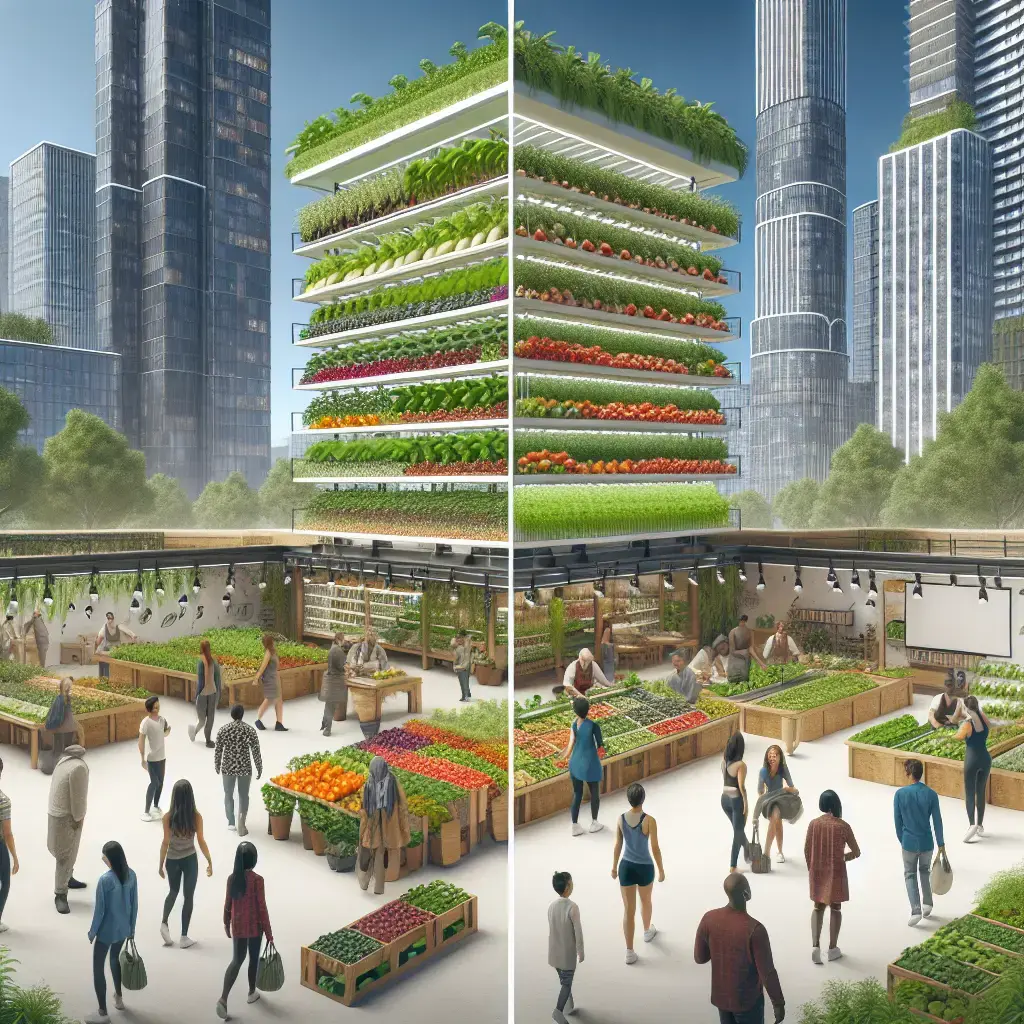
In the bustling heart of modern cities, a revolution is quietly taking root—one that promises to transform urban community health and redefine urban agriculture. Vertical farming in urban areas is not just a trend; it represents a sustainable urban agriculture movement poised to bring profound health benefits to our cities. By stacking crops in controlled environments, vertical farming offers innovative urban farming techniques that enhance nutrition and promote wellness through vertical agriculture. This method of eco-friendly urban farming reduces the carbon footprint typically associated with transporting food from rural farms, thereby improving urban health with vertical farming.
Imagine lush green spaces in cities where once there were only concrete jungles. Vertical farming contributes to urban sustainability and health by reducing urban pollution and enhancing urban food security with vertical farms. As these green towers rise, they become vital urban agriculture solutions, ensuring fresh produce is readily available and affordable for city dwellers. The health benefits of vertical farming extend beyond nutrition, as these green havens also foster community wellness through vertical farming initiatives that bring people together.
Urban farming technology benefits are vast and diverse, impacting city health improvement strategies by offering a viable pathway to healthier, more resilient cities. The concept of vertical farming for healthy cities is rapidly gaining traction, as these systems not only provide nutritional advantages but also invigorate communities. With urban farming health impacts reaching new heights, it is clear that promoting wellness with vertical agriculture is an essential step toward creating sustainable and thriving urban environments. As we delve deeper into this topic, we will explore how vertical farming is reshaping urban landscapes and revitalizing city life.
Benefits of Vertical Farming for Urban Community Health
Vertical farming is revolutionizing urban agriculture, offering myriad benefits that significantly enhance urban community health. As cities become increasingly dense, the need for sustainable urban agriculture solutions is more pressing than ever. Vertical farming in urban areas is emerging as a crucial strategy for addressing this challenge. Here’s a detailed look at how vertical farming benefits urban communities by improving health, nutrition, and sustainability.
Enhancing Urban Nutrition and Food Security
Vertical farming systems are designed to optimize space and resource use, allowing for the production of fresh, nutrient-rich produce right in the heart of urban areas. This approach not only reduces the distance food travels from farm to table but also ensures that city dwellers have access to healthy food options year-round. According to a recent study published in Nature Sustainability, urban food security through vertical farms can be significantly improved by integrating these systems into existing city infrastructures. This method of urban agriculture helps bridge the gap between supply and demand in food deserts, areas where access to fresh produce is limited source: Nature Sustainability.
The environmental impact of transporting food from rural farms to urban centers contributes significantly to greenhouse gas emissions. Vertical farming offers eco-friendly urban farming techniques that minimize this carbon footprint. By cultivating crops locally, vertical farms help reduce the reliance on fossil fuels used in transportation and refrigeration. A 2023 report by the World Resources Institute highlights how urban sustainability and health are directly linked to innovative urban farming techniques like vertical farming source: World Resources Institute.
Community wellness through vertical farming is another critical benefit. These farms often serve as communal spaces that foster interaction and cooperation among residents. In cities like New York and Singapore, vertical farming initiatives have led to the development of urban farming cooperatives that engage local communities in sustainable practices. By participating in these activities, residents not only learn about eco-friendly agriculture but also enjoy the psychological benefits of being surrounded by green spaces in cities.
Leveraging Urban Farming Technology for Health Improvement
Leveraging Urban Farming Technology for Health Improvement
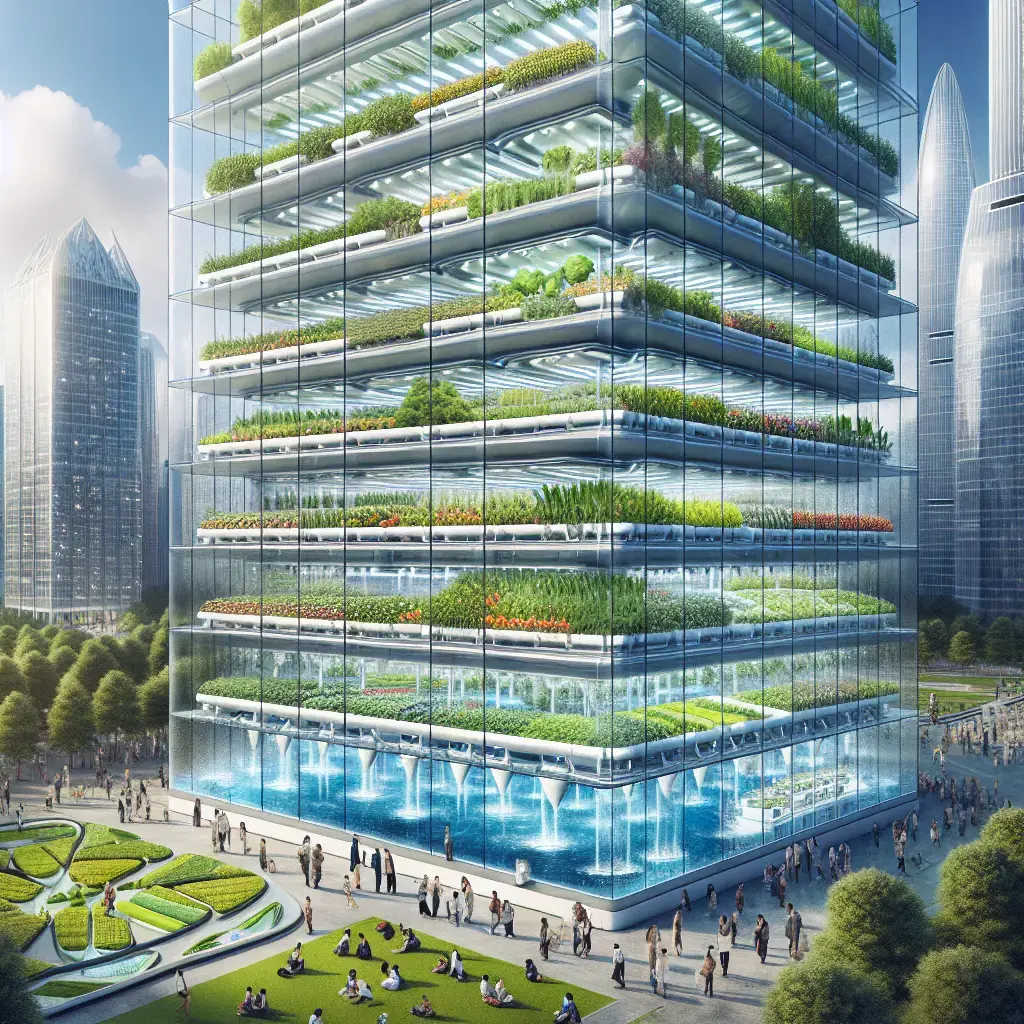
The integration of cutting-edge technology into vertical farming systems enhances their efficiency and productivity, thereby amplifying their health benefits. Technologies such as hydroponics, aeroponics, and LED lighting are pivotal in maximizing yield and ensuring the quality of produce. A recent MIT Technology Review article showcased how advances in urban farming technology are paving the way for healthier cities by providing fresh produce that’s free from pesticides and contaminants source: MIT Technology Review.
Case Studies: Success Stories from Around the World
1. Singapore's Urban Farming Initiative: Known as one of the most densely populated cities in the world, Singapore has embraced vertical farming to enhance its food security and urban health. The government's "30 by 30" initiative aims to meet 30% of the country's nutritional needs locally by 2030 through sustainable urban agriculture.
2. New York City’s Green Tower Project: This project has transformed unused urban spaces into vertical farms, contributing to reducing urban pollution with vertical farms while providing fresh produce to local communities at affordable prices.
3. Tokyo’s Indoor Plant Factories: By utilizing high-tech indoor farms, Tokyo has managed to ensure a steady supply of fresh vegetables even during extreme weather conditions, demonstrating how vertical farming for healthy cities can mitigate climate impact.
Addressing Urban Challenges with Vertical Farming
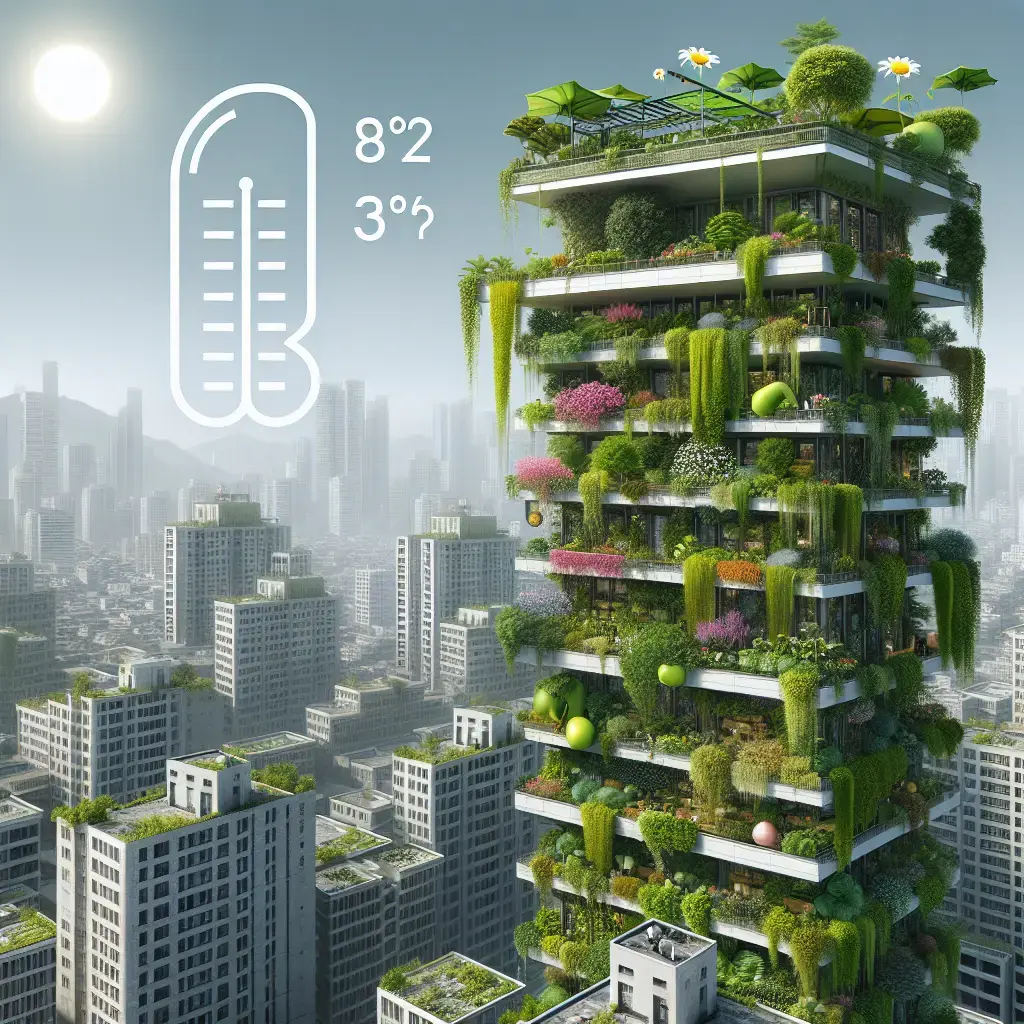
Urban areas face numerous challenges, from pollution to limited green spaces. Vertical farming offers a comprehensive solution by transforming underutilized areas into productive agricultural sites. This transformation not only contributes to improving urban health with vertical farming but also plays a role in city health improvement strategies by providing a reliable food source during crises.
As awareness of climate change grows, so does the importance of sustainable living practices. Vertical farming encourages eco-friendly behaviors among urban residents by demonstrating the tangible benefits of sustainability. Through educational programs and workshops held at vertical farm sites, city dwellers learn how promoting wellness with vertical agriculture can contribute to a more resilient environment.
Future Prospects and Innovations
The future of vertical farming is promising, with ongoing innovations poised to make these systems even more efficient and accessible. Researchers are exploring new materials and energy sources that could further reduce costs and increase the scalability of vertical farms. For instance, developments in solar-powered lighting systems could drastically cut energy usage, making vertical farms more sustainable and cost-effective.
In conclusion, while this text does not aim to close the discussion, it is clear that vertical farming provides numerous advantages for urban community health. By addressing nutritional needs, reducing environmental impacts, fostering community engagement, and leveraging technological advancements, vertical farming stands as a vital component in the quest for sustainable urban development.
Vertical farming stands as a beacon of sustainable urban development, seamlessly integrating health, nutrition, and environmental consciousness. As we continue to face global challenges, the role of vertical farming will undoubtedly grow, urging us to rethink our approaches to urban agriculture.
We invite you to reflect on how vertical farming could transform your community or city. Share your thoughts or experiences in the comments below. Let's foster a dialogue about how we can all contribute to building healthier, more sustainable urban environments together.

Leave a Comment