
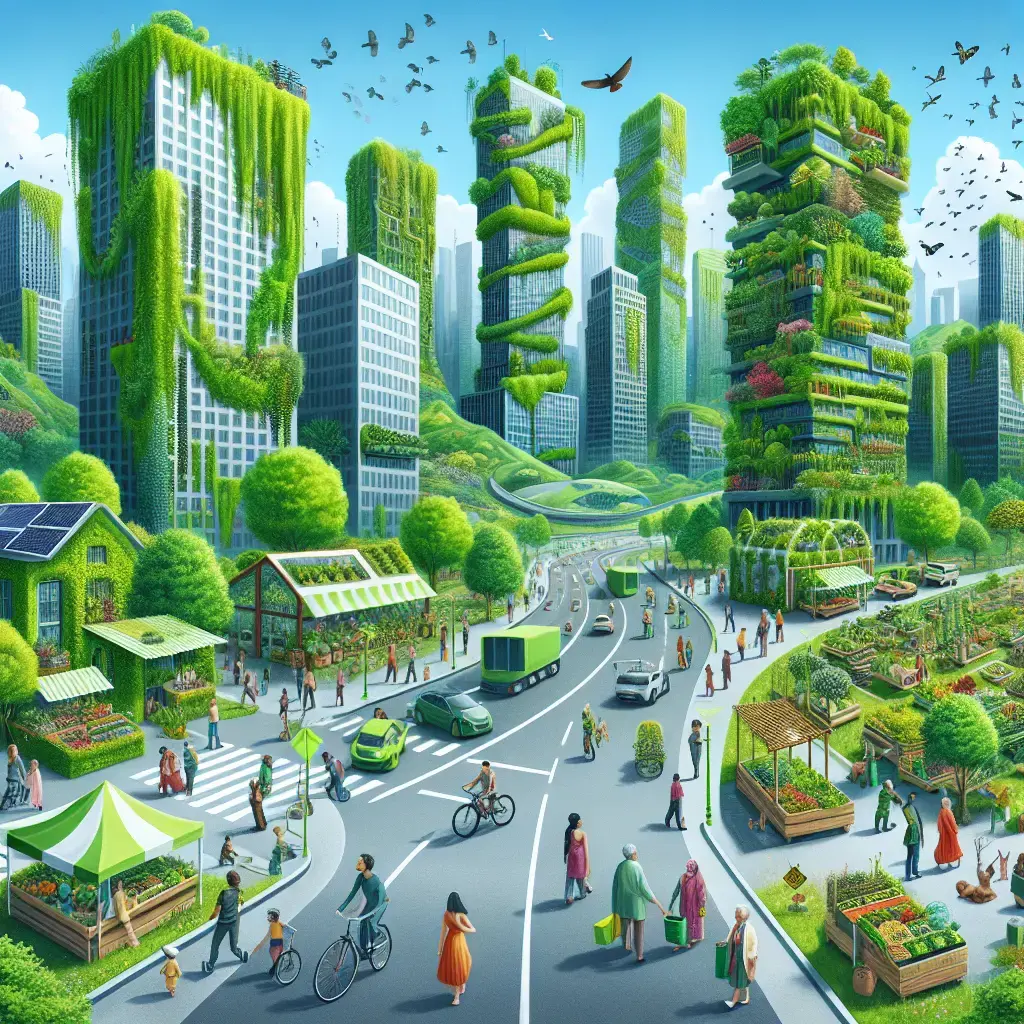
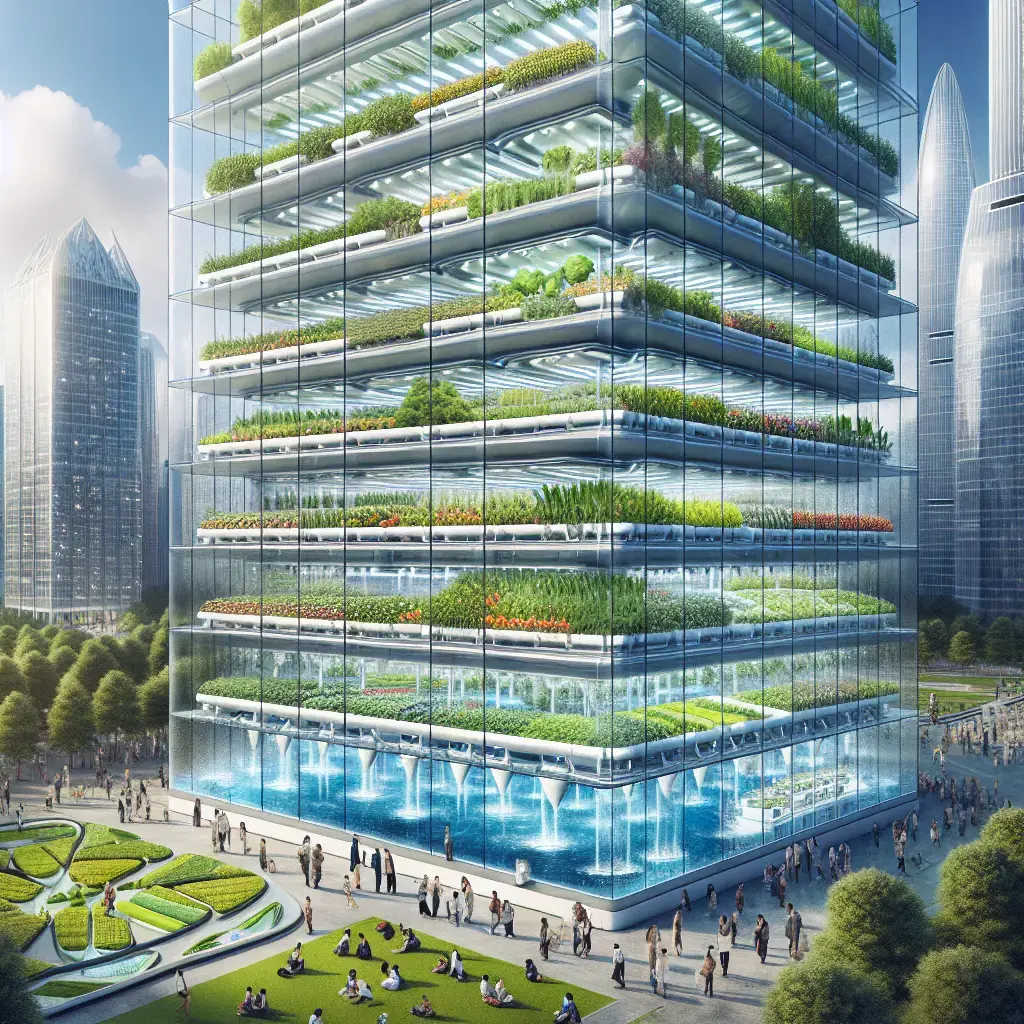
In the heart of bustling cities, urban vertical farming is revolutionizing how we approach agriculture, offering sustainable solutions for feeding growing populations. By embracing innovative water management techniques, these vertical farms are at the forefront of eco-friendly farming practices. Sustainable water management in urban vertical farming is not only transforming how we cultivate crops but also redefining sustainable agriculture in cities.
With resource-efficient farming methods, vertical farms utilize water-efficient farming techniques that significantly reduce water usage compared to traditional agriculture. This efficient water use in vertical farming is achieved through advanced vertical farm water systems, which often incorporate water recycling in vertical farms to maximize conservation efforts.
The economic impact of vertical farming extends beyond environmental benefits. As urban agriculture solutions, these farms contribute to the urban farming economy by providing cost-effective vertical farming options that can thrive in limited spaces.
The economic benefits of vertical farming are immense, as they offer a viable alternative to conventional methods, reducing transportation costs and food waste while supporting local economies.
Moreover, innovative water management in vertical farms is central to urban farming sustainability, ensuring that water conservation in urban farming remains a priority. This focus on sustainable urban agriculture not only addresses environmental concerns but also promises long-term economic advantages.
Sustainable Water Management in Urban Vertical Farming
As urban areas continue to expand, the challenge of sustainable water management becomes ever more critical, particularly in the context of vertical farming in urban areas. These innovative systems are not only transforming agricultural practices but are also setting new benchmarks in eco-friendly farming practices.
Vertical farming technology, by its nature, is designed to maximize resource efficiency, making it a quintessential model for sustainable agriculture in cities.
Advanced Vertical Farm Water Systems: One of the most significant advances in sustainable water management within urban vertical farming is the implementation of sophisticated vertical farm water systems. These systems are engineered to optimize water usage through several innovative mechanisms. For instance, many vertical farms now utilize hydroponics and aeroponics, which drastically reduce the amount of water required compared to traditional soil-based farming. As noted by a report from BusinessLine, these methods not only conserve water but also enable precision agriculture, allowing plants to receive the exact nutrients they need without excess.
Water Recycling in Vertical Farms: Water recycling in vertical farms is another crucial aspect that enhances water conservation in urban farming. Systems are designed to capture and reuse water transpired by plants or that would otherwise be lost through evaporation. This closed-loop system significantly contributes to efficient water use in vertical farming. In regions like Saudi Arabia, where water resources are dwindling, technologies such as deep well submersible pumps are being integrated to maintain sustainable water levels, as highlighted by GlobeNewswire.
Economic Impact of Vertical Farming
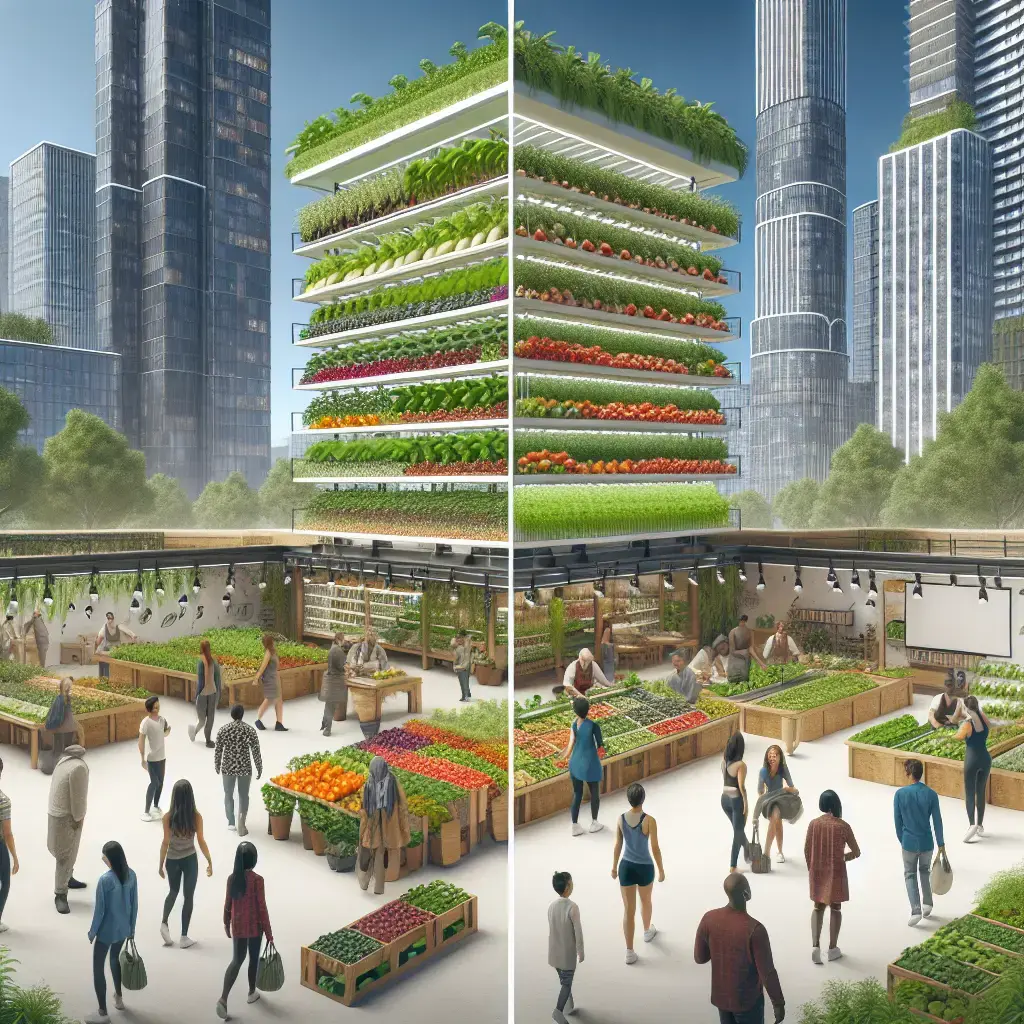
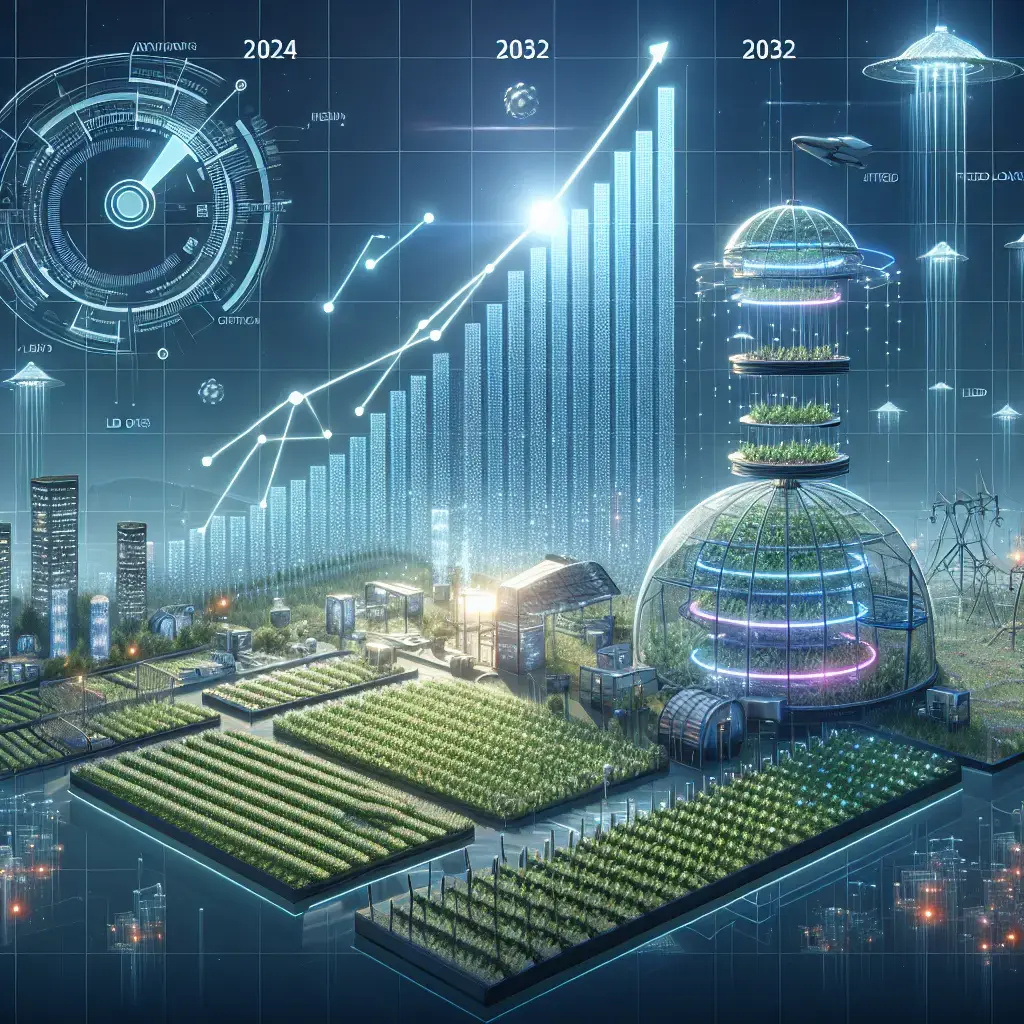
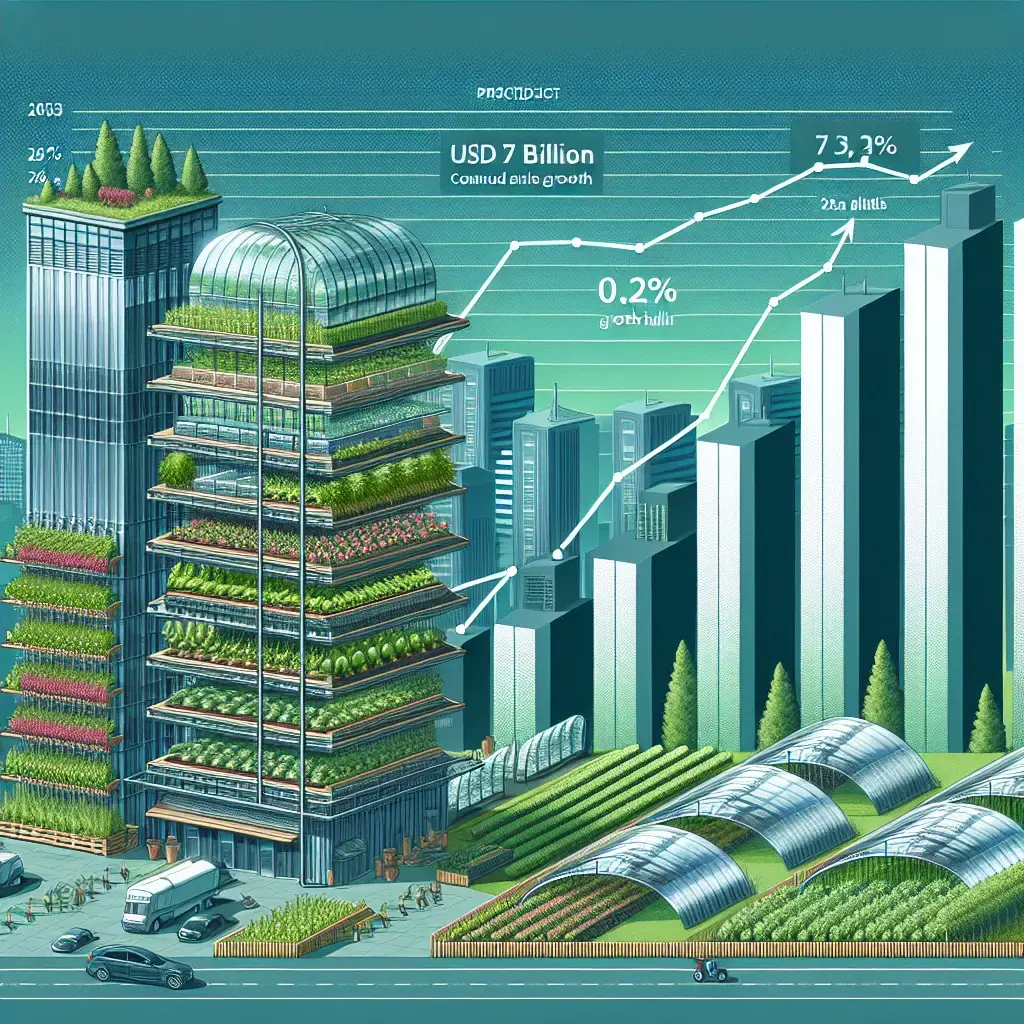
Economic Benefits: The economic benefits of vertical farming are substantial, offering a plethora of urban agriculture solutions that support the urban farming economy. Cost-effective vertical farming is achievable as these systems minimize the need for extensive land and water resources, thereby reducing overhead costs. Additionally, by eliminating long supply chains, vertical farms cut down on transportation expenses and food waste, further boosting their economic viability. The Agritech and Advanced Food Technologies Market Report forecasts significant growth in this sector, driven by these economic efficiencies.
Integration with Smart City Initiatives: Vertical farming is increasingly becoming integral to smart city developments, as seen in Japan's ambitious plans to expand 5G and IoT utilities within its smart cities. This integration aims to enhance productivity and energy management in urban agriculture, as discussed in GlobeNewswire's report. By utilizing IoT sensors, vertical farms can monitor plant health and water usage in real-time, ensuring optimal conditions for crop growth while minimizing resource wastage.
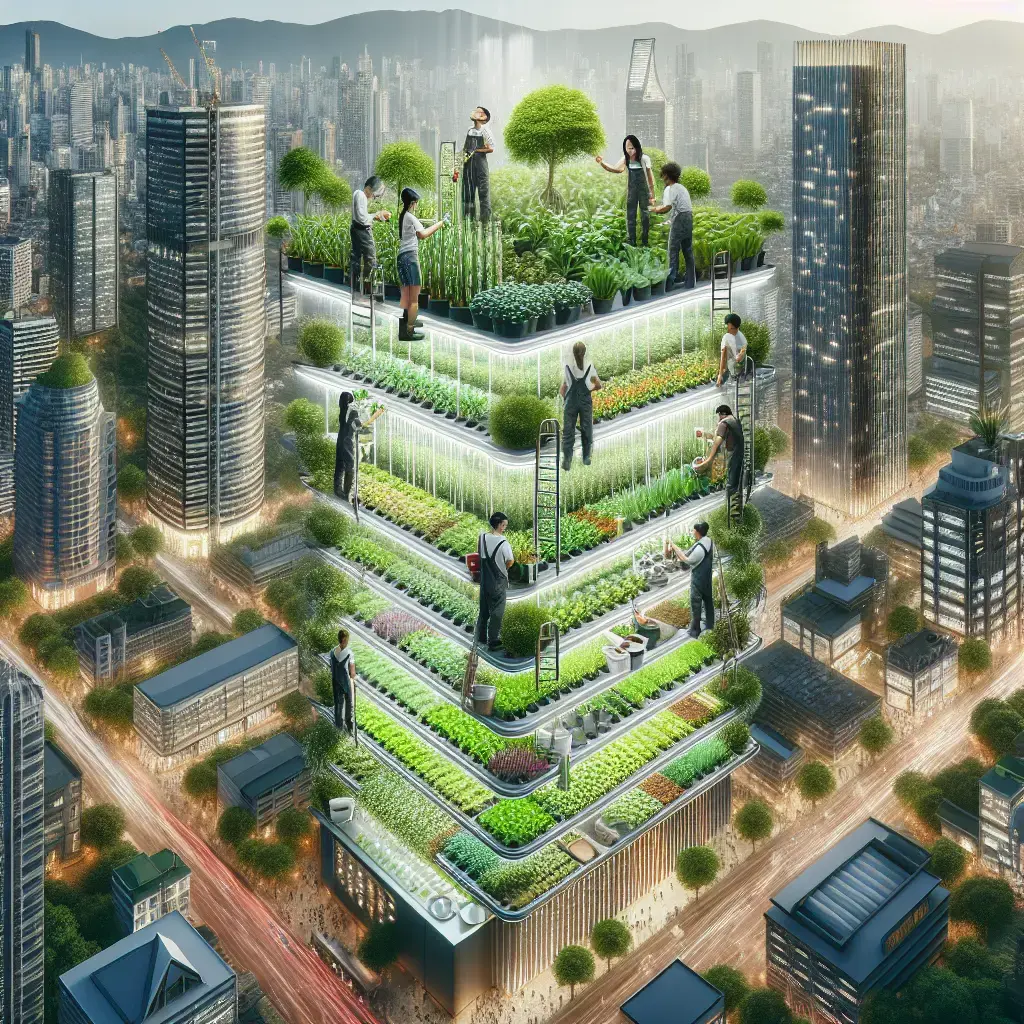
Challenges and Innovations: Despite these advancements, challenges remain in implementing sustainable urban agriculture on a broader scale. High initial setup costs and technical complexities can be barriers for small-scale urban farmers. However, ongoing research and development are paving the way for more accessible solutions. For instance, solar energy integration is becoming more prevalent in vertical farming setups, reducing reliance on non-renewable energy sources and lowering operating costs.
Final Thoughts on Urban Vertical Farming
In conclusion, sustainable water management in urban vertical farming is an evolving field that holds the promise of transforming how cities approach agriculture. By harnessing cutting-edge technology and innovative water management strategies, vertical farms are not only enhancing food security but also contributing positively to urban sustainability goals.
As this sector continues to develop, it will play a pivotal role in shaping the future of urban agriculture worldwide. In conclusion, sustainable water management in urban vertical farming is pivotal in reshaping agricultural practices to meet the demands of growing urban populations. This innovative approach to farming offers numerous advantages:
- Advanced Water Systems: By employing hydroponics and aeroponics, vertical farms drastically reduce water usage compared to traditional farming methods, while ensuring plants receive precise nutrients.
- Water Recycling: Implementing closed-loop systems in vertical farms captures and reuses water, enhancing conservation efforts significantly.
- Economic Benefits: Vertical farming minimizes land and water resource needs, cuts transportation costs, and reduces food waste, thereby boosting economic viability.
- Integration with Smart City Initiatives: The use of IoT and 5G technologies in vertical farms improves productivity and resource management, aligning well with smart city goals.
- Challenges and Innovations: Despite high initial costs and technical complexities, advancements such as solar energy integration are making vertical farming more accessible and sustainable.
As we embrace these forward-thinking solutions, vertical farming holds great promise for enhancing food security and contributing to urban sustainability goals. The ongoing evolution in this sector is crucial for shaping the future of agriculture in our cities.

Leave a Comment