
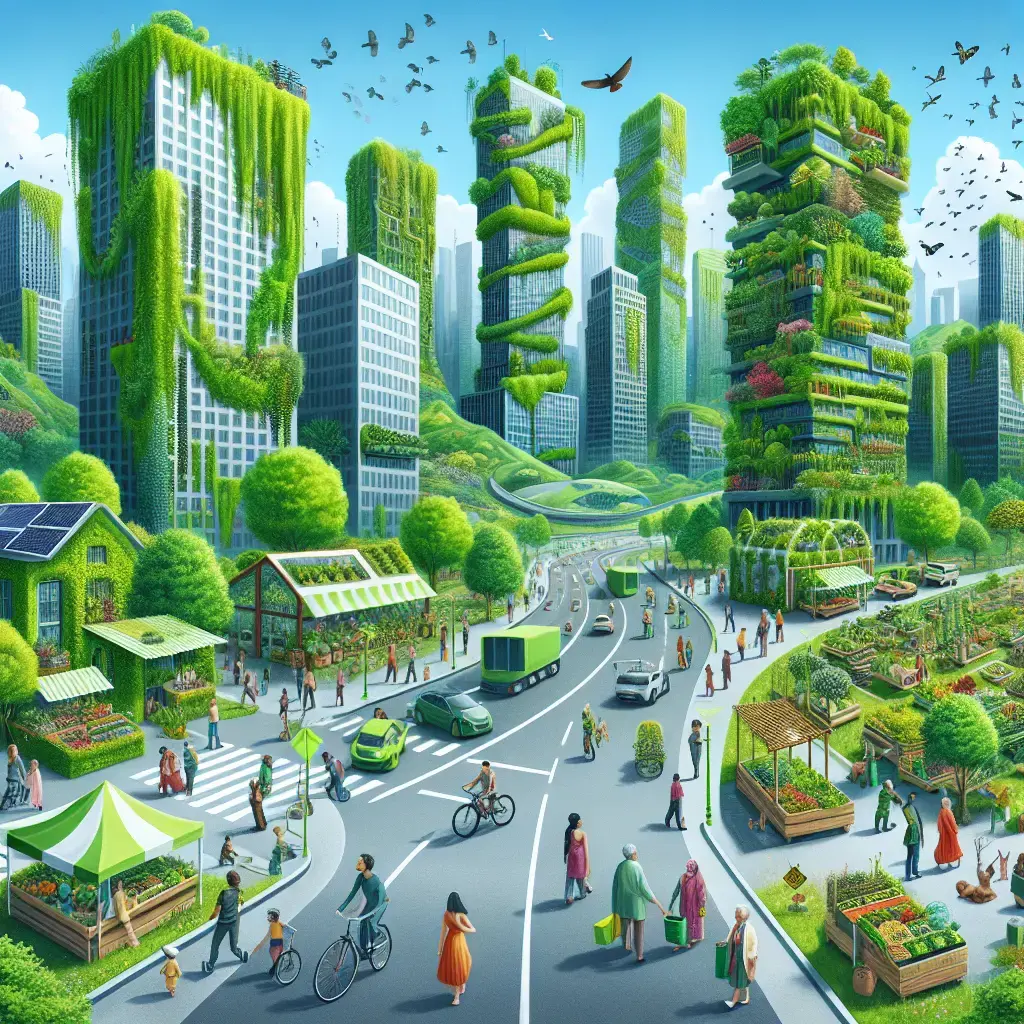
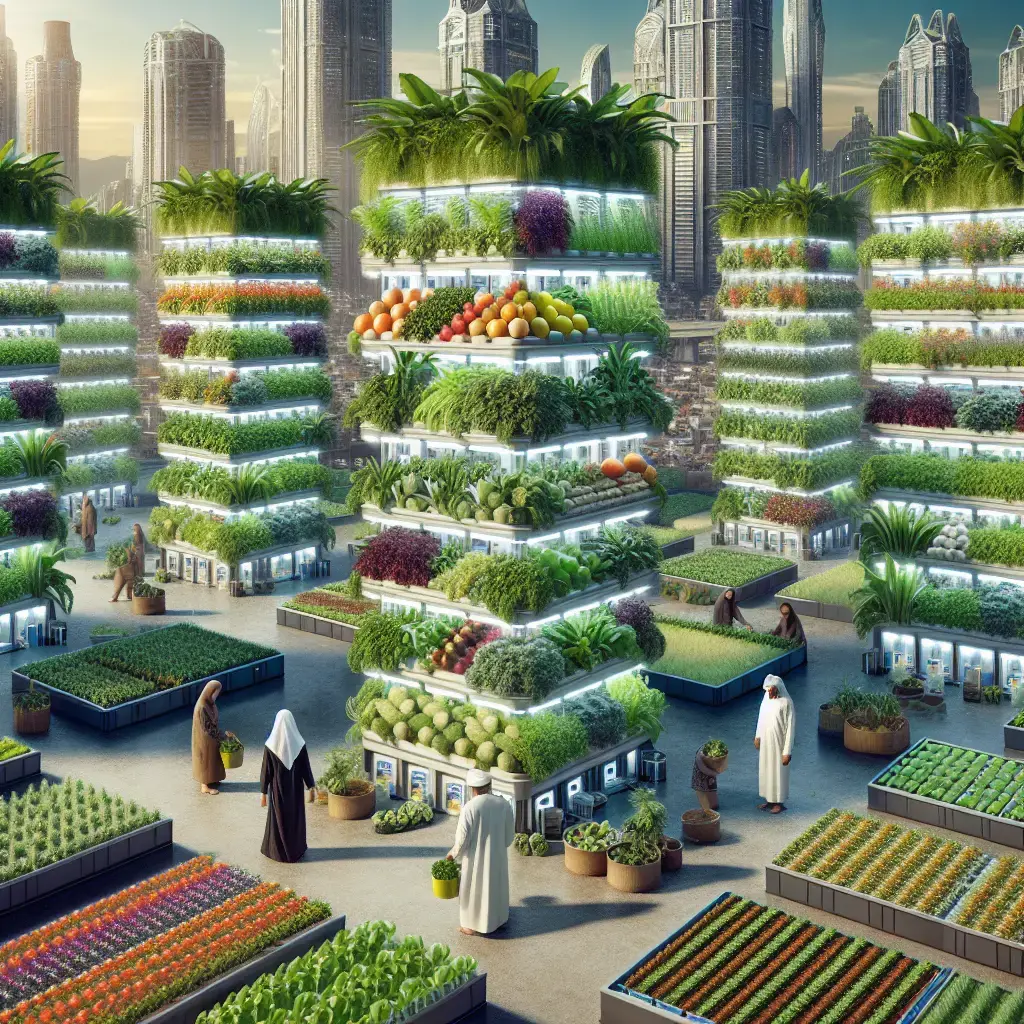
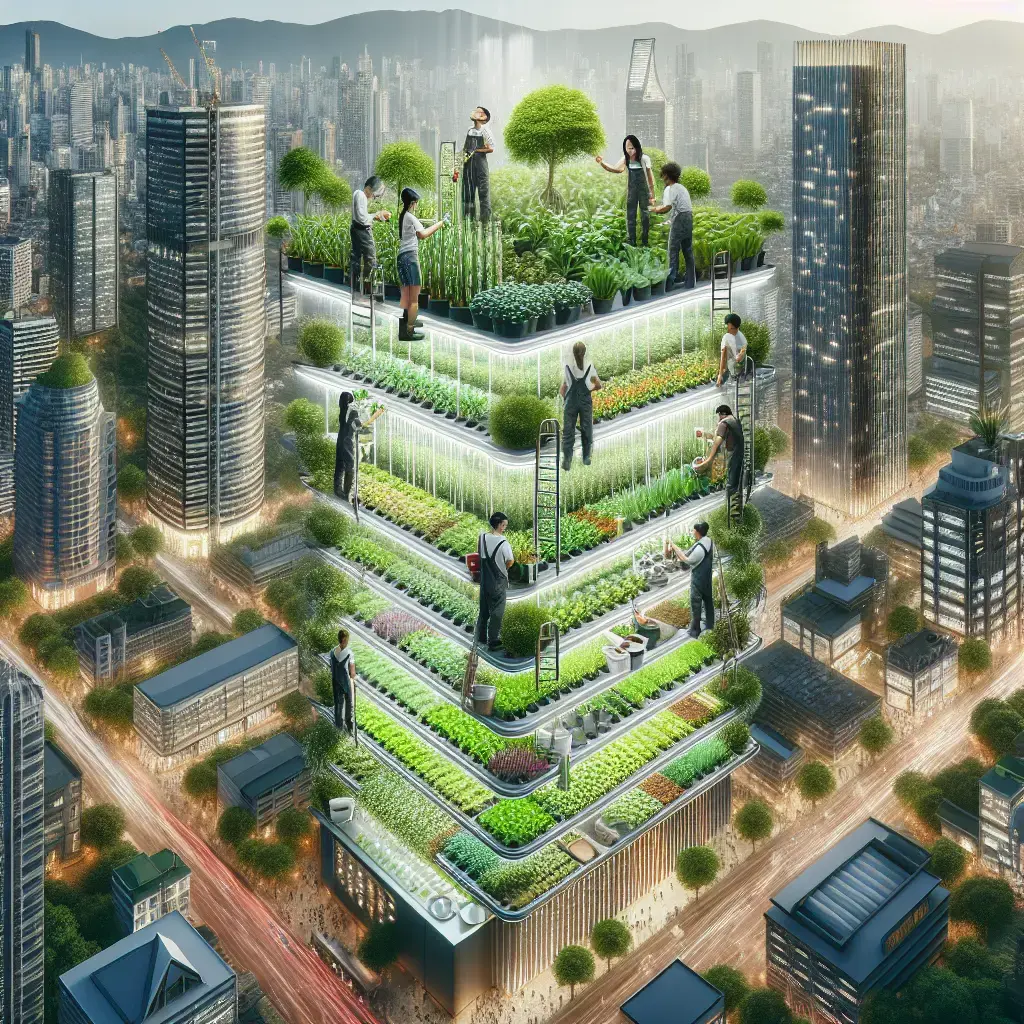
As our global population rises and urban landscapes expand, the future of food security relies on innovative farming methods that redefine food production, distribution, and consumption. Urban vertical farming emerges as a beacon of sustainable agriculture, offering transformative solutions that address modern challenges. This revolutionary approach to food production leverages vertical farming technology, creating efficient, space-saving systems that thrive in city environments. By cultivating crops in vertically stacked layers, urban vertical farming optimizes space usage and minimizes environmental impacts, presenting a model of urban farming sustainability.
In the face of climate change and farming difficulties, vertical farming efficiency becomes crucial. This method not only reduces reliance on traditional practices but also enhances local food production, cutting down on the carbon emissions associated with food transportation—known as food miles. The benefits of urban farming extend beyond environmental considerations, providing fresh produce within city limits and boosting local economies.
As urbanization reshapes our landscapes and demographics shift towards city living, urban vertical farming emerges as a pivotal component in the future of food security. By leveraging innovative farming methods and sustainable agriculture practices, this approach addresses climate change challenges and promises to enhance local food production, reduce food miles, and offer urban agriculture solutions that are both efficient and scalable.
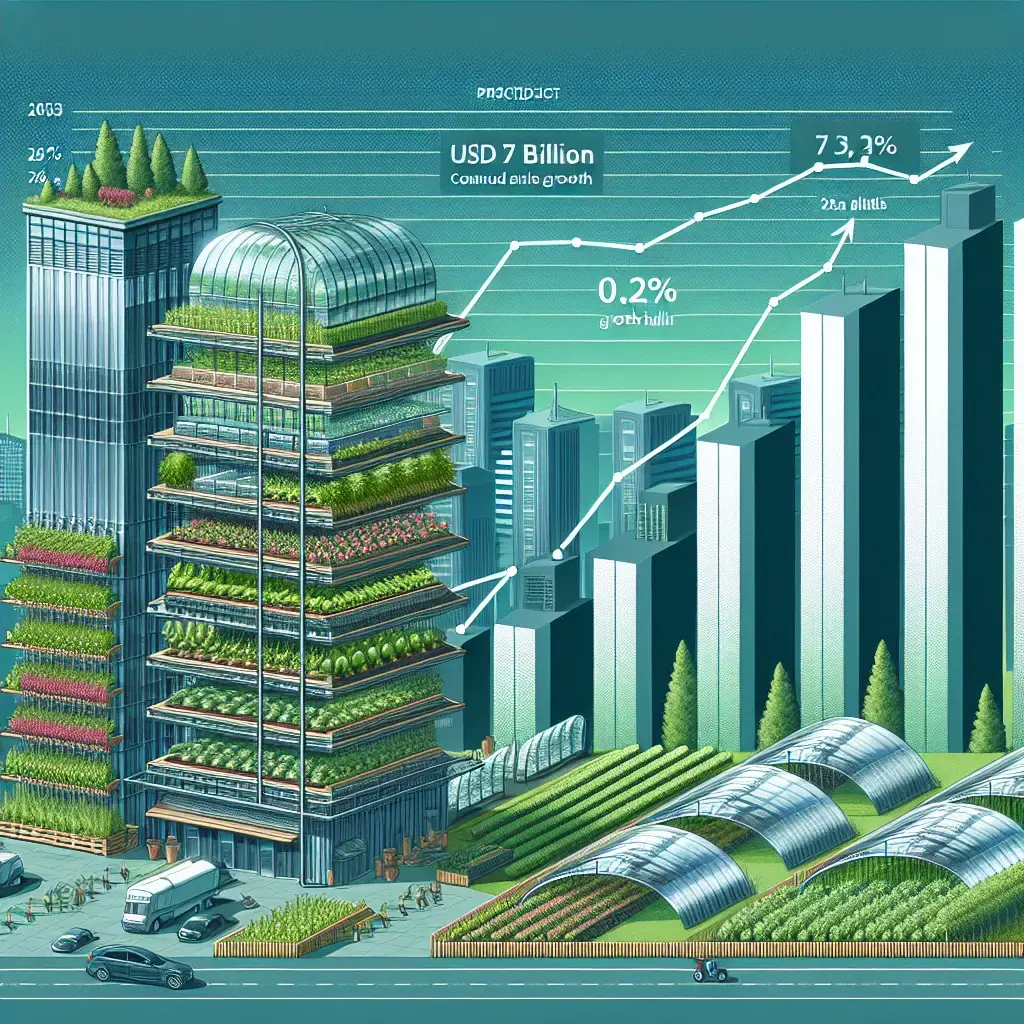
Recent projections underscore the growing interest in indoor farming technologies. The Global Indoor Farming Technology Market is expected to grow significantly, reflecting the increasing reliance on vertical farming technology as a viable strategy for ensuring food security in urban areas. This growth is not limited to developed nations; emerging markets like the Gulf Cooperation Council (GCC) are investing heavily in these technologies. These investments highlight a global shift towards sustainable agricultural practices.
Advancements in space technology are enhancing global sustainability initiatives, including urban vertical farming. Space technology offers unique perspectives on resource management and efficiency, encouraging innovations that transcend traditional agricultural boundaries. This cross-pollination of ideas underscores the potential of urban farming benefits in crafting resilient food systems adaptable to environmental fluctuations.
Urban Farming Benefits: Local Economies and Reduced Food Miles
One compelling advantage of urban vertical farming is its potential to strengthen local economies while minimizing environmental impacts. Producing fresh produce within city limits reduces carbon emissions associated with long-distance food transportation—a concept known as reducing food miles. This not only curtails the carbon footprint but also supports urban farming sustainability by providing employment opportunities and fostering economic growth within cities.
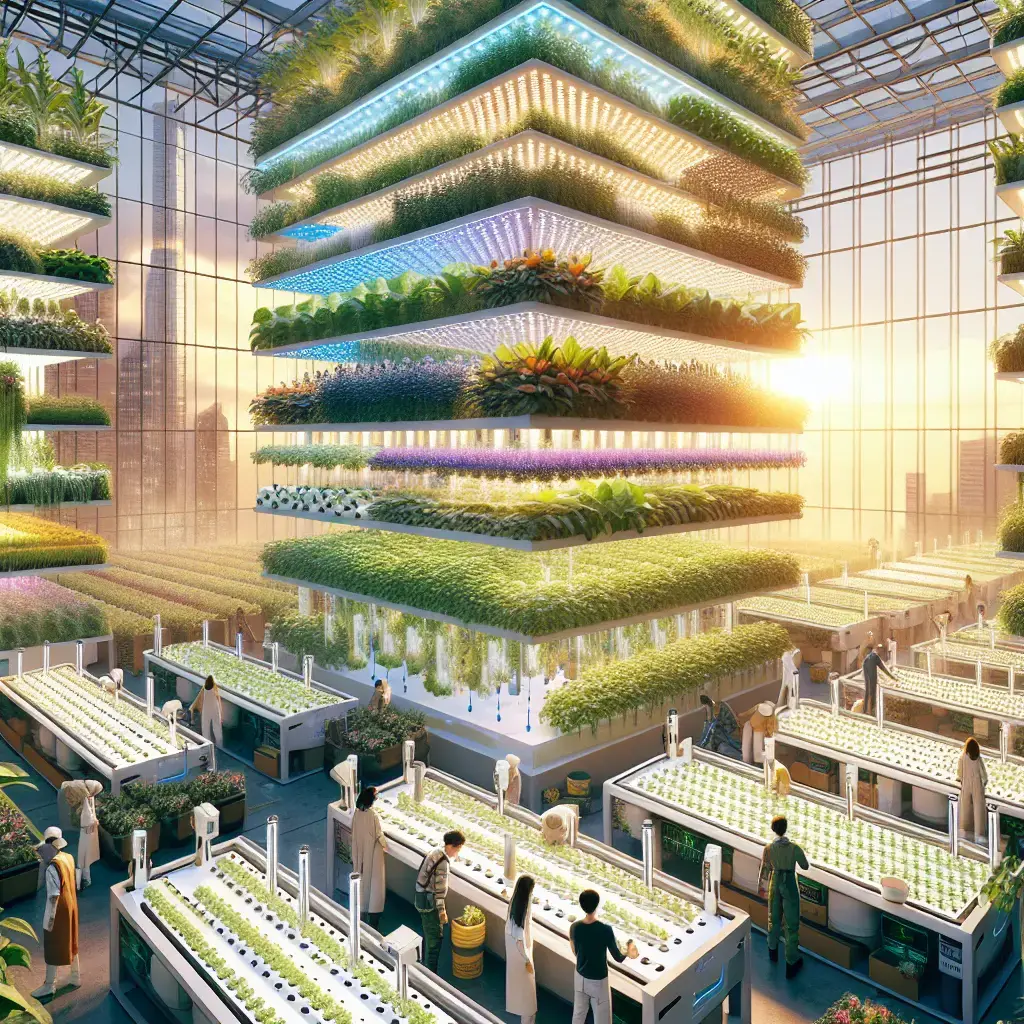
The impacts of climate change on traditional agriculture are increasingly evident, with unpredictable weather patterns and resource scarcity posing significant challenges. Urban vertical farming offers a resilient alternative by utilizing controlled environment agriculture (CEA) systems that can withstand these changes. These systems enable precise control over growing conditions, ensuring consistent yields and quality regardless of external environmental factors.
Economic considerations are crucial when assessing the feasibility of urban vertical farming. The anticipated growth trajectory of this sector demonstrates strong investor confidence and highlights its potential as a profitable venture. However, challenges remain, including high initial setup costs and energy consumption. Continued innovation and collaboration across industries are necessary to develop cost-effective solutions that enhance vertical farming efficiency while maintaining sustainability goals.
As we navigate an era marked by unprecedented urbanization and environmental challenges, the role of urban vertical farming in ensuring future food security becomes increasingly vital. By embracing innovative farming methods and integrating them into urban landscapes, we can create resilient food systems that support both human populations and planetary health.
Embracing a New Era of Food Production Innovation
Urban vertical farming represents not just a vision for the future but an actionable strategy addressing current agricultural challenges while paving the way for sustainable development. By fostering local food production, reducing food miles, and optimizing resource use, this approach holds the promise of a more secure, equitable, and sustainable global food system.
Engaging with these possibilities raises important questions: How can policymakers and industry leaders collaborate to overcome barriers to widespread adoption? What role will technology play in refining these systems further? As we seek answers, it becomes clear that urban vertical farming is not just an innovative concept but a cornerstone of our collective efforts to achieve lasting food security for all.
Feel free to share your thoughts, experiences, or inquiries in the comments below—let's explore these opportunities together for a sustainable tomorrow.

Leave a Comment